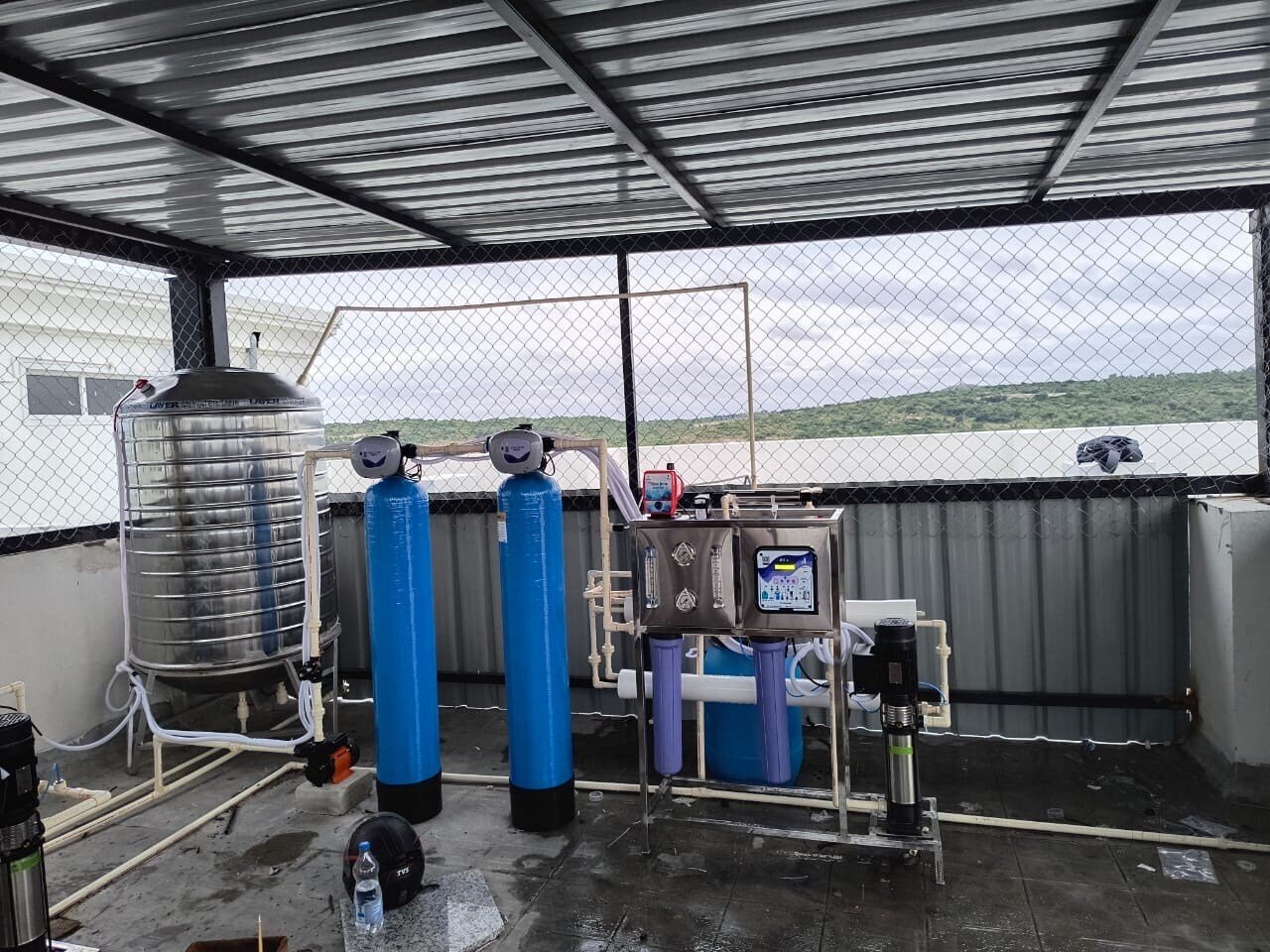
Buying a water softener is often treated as the finish line. The system gets installed, the paperwork is put away, and everyone moves on to the next household project.
But really, that’s when the relationship with your water treatment provider begins.
A softener, filtration unit, or other water treatment system can make everyday life noticeably easier, but only when it is maintained properly. Salt has to be available. Filters eventually need attention. Settings may need adjustment. And, every so often, something simply doesn’t behave the way it should.
That’s why good service matters just as much as good equipment.
A company can sell a great system, but if getting help afterward feels like chasing someone who doesn’t want to answer the phone, the experience quickly becomes frustrating. On the other hand, reliable support can make a fairly ordinary piece of household equipment feel like a smart investment.
Listen to What Existing Customers Say
Before choosing a provider, take some time to see what previous customers have experienced.
Online ratings can provide useful clues, but don’t stop at the star count. Read a handful of comments. Look for patterns. Are customers mentioning punctual technicians? Clear explanations? Problems being resolved without endless calls?
Genuine customer feedback is particularly useful when it talks about what happened after installation. Sales experiences can be pleasant with almost any company. Long-term service tells you much more.
Pay attention to reviews that mention maintenance, replacement parts, billing, warranty claims, and follow-up visits. A business won’t have a perfect review record — no business does — but a consistent pattern of helpful responses is a reassuring sign.
Reliable Salt Supply Makes Life Easier
If your water softener uses salt, running out isn’t exactly something you want to discover while doing laundry or taking a shower.
Some homeowners prefer buying bags of salt themselves, while others like the convenience of having them delivered automatically. A dependable salt delivery service can take one more household chore off your list, especially for families that use a significant amount of softened water.
The key word is dependable.
Ask how deliveries are scheduled, whether quantities can be adjusted, and what happens if your household’s water usage changes. Seasonal differences can matter too. A delivery schedule that works perfectly during one part of the year might leave you short during another.
Automatic service is helpful only when it actually matches your needs.
Don’t Treat Maintenance as Optional
Water treatment equipment operates quietly in the background, which makes maintenance easy to forget.
You don’t necessarily notice a filter becoming less effective from one day to the next. Performance can decline gradually. By the time the water tastes different or pressure changes, the equipment may already be overdue for attention.
A regular filter replacement schedule helps keep filtration equipment working as intended. The exact timing depends on the type of filter, incoming water quality, household usage, and the manufacturer’s recommendations.
Don’t rely solely on a calendar reminder, either. If your household suddenly starts using much more water, or if the incoming water quality changes, replacement needs may change as well.
Keeping a few replacement filters on hand can also prevent a small maintenance task from turning into a week-long inconvenience.
Ask What Happens When Something Goes Wrong
This is a question worth asking before you buy, not after the equipment stops working.
Who do you contact if the system develops a problem? How quickly are service calls normally handled? Is troubleshooting available by phone? Are technicians trained on the equipment being installed?
Clear answers are reassuring.
You don’t need a company to promise that nothing will ever go wrong. That’s unrealistic. What matters is having a sensible plan when something does.
Good service is less about perfection and more about responsiveness.
Understand Your Warranty
A warranty can sound impressive until you actually need to use it.
Before purchasing, find out what’s covered and for how long. Some warranties cover equipment but not labor. Others may exclude certain parts or require specific maintenance procedures.
Keep your paperwork somewhere easy to find. It sounds obvious, but years later, nobody wants to spend an afternoon trying to remember where the original installation documents disappeared.
It’s also worth asking whether warranty work is handled directly by the company that installed the system or by the manufacturer. Knowing who is responsible can save confusion if a problem occurs.
The Cheapest Service Isn’t Always the Best Value
Price matters, of course. Household budgets aren’t infinite.
Still, comparing providers only by installation cost can be misleading. A cheaper company may charge more for future service, use expensive replacement parts, or provide limited support once the initial installation is complete.
Instead, think about the total cost of ownership.
How often will the system need maintenance? What do replacement filters cost? Is salt delivery available? Are service calls included in any maintenance plan? How long are major components expected to last?
A slightly higher upfront investment may make sense if it comes with straightforward maintenance and responsive support.
Good Technicians Explain Things
You shouldn’t need a plumbing background to understand your own water treatment system.
A good technician should be able to explain what the equipment does, what you need to maintain, and what warning signs deserve attention. They should also be willing to answer questions without making you feel silly for asking them.
Maybe you’re wondering why the system regenerated overnight. Perhaps you’re unsure how often to check the salt level. Or you’re hearing a sound you’ve never heard before.
A patient explanation can turn uncertainty into confidence.
And frankly, that’s part of what you’re paying for.
Watch for Unnecessary Upselling
There is a difference between recommending useful maintenance and trying to sell you something every time someone walks through the door.
If a technician says a part needs replacing, ask why. If they recommend an additional treatment system, ask what specific water-quality problem it addresses.
A reputable provider should be comfortable explaining alternatives, including the option of doing nothing immediately when that is reasonable.
You don’t want a service company that sees every maintenance visit as another sales opportunity.
Build a Routine That You Can Actually Follow
The best maintenance plan is one you’ll remember.
Keep track of filter changes. Check salt levels according to the manufacturer’s guidance. Watch for changes in water pressure, taste, odor, or scale. Schedule professional service when recommended.
You don’t have to become obsessed with the equipment. A few minutes of attention at sensible intervals can go a long way.
For busy households, automatic reminders or scheduled service visits can make things easier. The goal isn’t to spend more time thinking about water treatment. It’s to spend less.
Long-Term Service Is Where the Real Value Shows
A water treatment system should be more than a one-time purchase sitting quietly in a corner of your garage, basement, or utility room.
The real value becomes apparent over time. It’s the technician who answers your question. The replacement part that’s available when you need it. The delivery that arrives before the salt runs out. The maintenance visit that catches a small problem before it becomes an expensive one.
Those details may not look impressive in an advertisement, but they make a difference in real life.
So when you’re choosing a water treatment provider, look beyond the equipment and the introductory price. Ask how the company supports customers after installation, how maintenance is handled, and whether existing customers seem genuinely satisfied.
Good equipment matters. But dependable service is what helps that equipment keep doing its job year after year.
And when something as important as your home’s water is involved, that peace of mind is worth quite a bit.