Most of us expect water to behave itself. We turn on the kitchen tap, fill a glass, wash the dishes, and move on with the day. It’s easy to forget that behind those ordinary moments is a system working quietly in the background. For homes that rely on a private well, that system includes the water source, pump, pressure tank, pipes, and sometimes several pieces of treatment equipment.
When everything works as it should, you probably won’t give it much thought. But a change in taste, an unusual sound from the pump, or a sudden drop in flow can be an early warning that something needs attention. Learning to recognize these signs can help you protect your water supply and avoid repairs that become more expensive when left too long.
Start by Paying Attention to Your Water
Water often gives homeowners their first clue that something has changed. Perhaps it looks cloudy when you fill a glass, leaves rusty marks in the sink, or develops an unfamiliar smell after heavy rain. These observations don’t automatically mean the water is unsafe, but they are worth investigating.
Good water clarity is useful to observe, although appearance alone cannot establish whether water is safe to drink. Some contaminants, including certain bacteria and dissolved chemicals, are invisible. Likewise, water that looks perfectly clear may still need testing.
Notice whether a change affects every faucet or just one. If the kitchen tap produces cloudy water while the bathroom tap remains clear, the issue may involve a local fixture or plumbing component. If the change occurs throughout the home, the well, treatment equipment, or incoming water supply may deserve closer attention.
A simple observation can save time during a service visit. Write down when the problem began, whether it happens consistently, and whether anything unusual occurred beforehand. Heavy rainfall, nearby construction, flooding, or recent plumbing work can all be relevant details.
Why Regular Water Testing Still Matters
A well can supply clean-looking water for years, but groundwater conditions may change. Nearby land use, damaged well components, and surface water entering through an opening can introduce unwanted substances. This is one reason routine laboratory testing matters even when the household has never experienced an obvious problem.
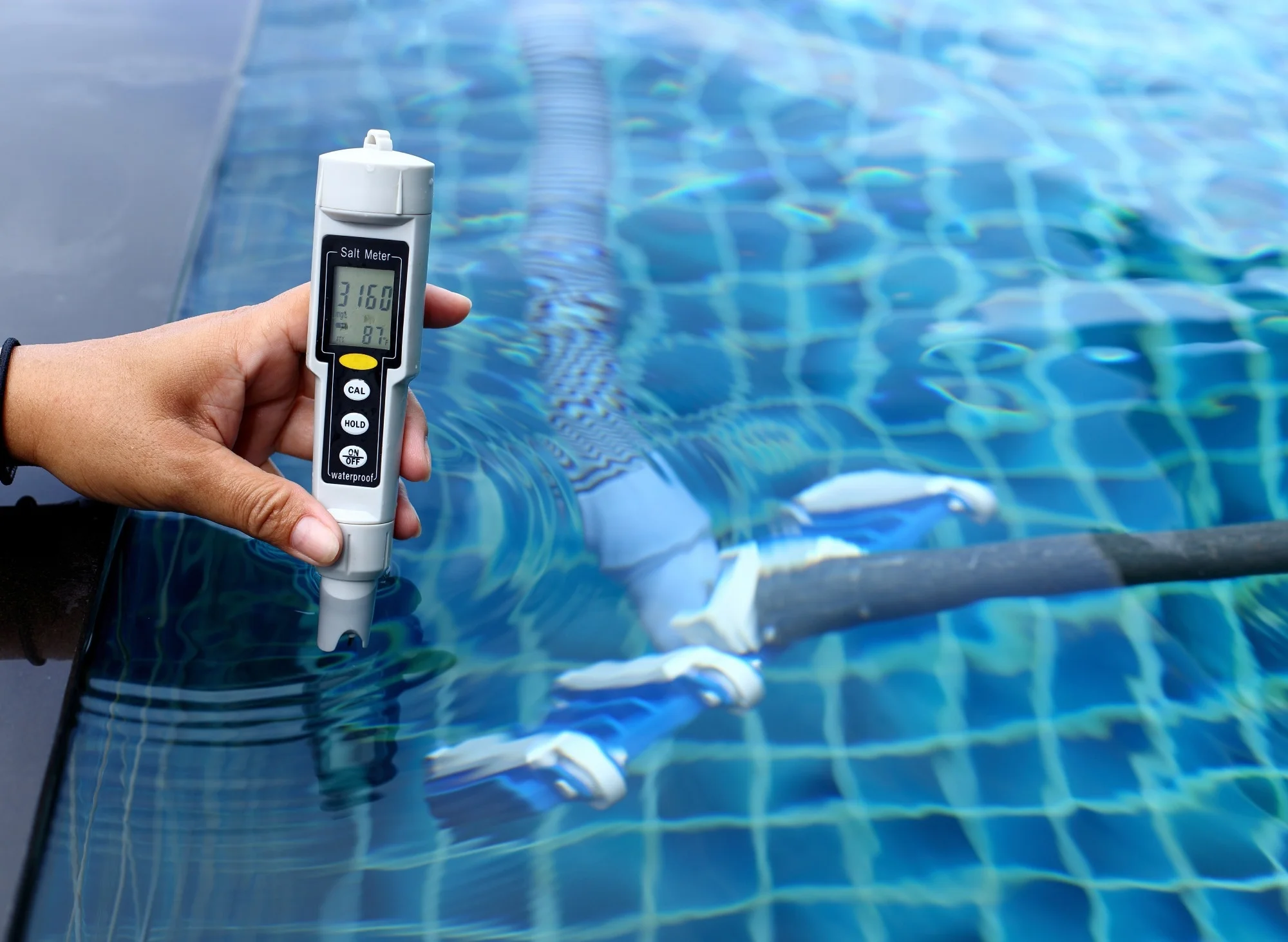
Private well owners should follow local public health recommendations for testing. In the United States, annual testing for coliform bacteria and nitrates is commonly recommended, with additional tests selected according to local risks. Other regions may have different guidelines, so it’s sensible to consult the relevant health authority.
Testing is especially important after flooding, well repairs, or sudden changes in taste, color, or odor. If contamination is suspected, seek local health guidance about drinking, cooking, and other household uses until the problem has been assessed.
The results can also prevent unnecessary spending. Rather than purchasing several filters and hoping one works, you can select treatment equipment based on the substances actually found in your water. That’s a more direct approach, and often a more affordable one in the long run.
Understanding Changes in Water Pressure
Few things are more frustrating than stepping into the shower and finding that the water has slowed to a trickle. A change in pressure may seem like a minor inconvenience, but it can point to an issue within the well system.
Low pressure can have several causes. A clogged sediment filter may restrict flow, a leak can reduce available pressure, or a pump may be struggling to deliver enough water. Problems with the pressure switch or pressure tank can also cause inconsistent performance.
Pay attention to how the problem behaves. Does the pressure drop when several taps are running? Does the pump turn on and off unusually often? Can you hear it running longer than it used to? These clues help a technician narrow down the possible causes.
Sometimes the issue is straightforward, such as a filter that needs replacing. In other cases, the pump, tank, or well itself may need professional inspection. Avoid adjusting electrical controls or opening pressurized equipment unless you have the appropriate training.
It’s also worth distinguishing between a temporary shortage of water and a mechanical problem. During dry periods, some wells may experience a lower water level, depending on local conditions. If the supply suddenly becomes unreliable, arrange an assessment instead of repeatedly restarting the pump and hoping for the best.
The Equipment Behind a Dependable Water Supply
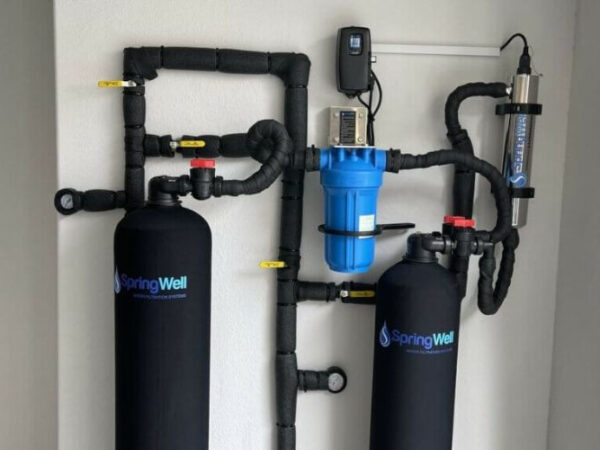
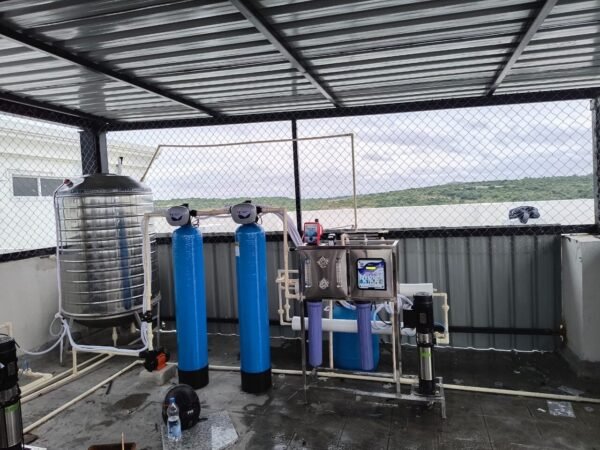
A well system is made up of several connected components, and each has a job to do. The pump moves water into the home, the pressure tank helps regulate delivery, and switches and controls manage when the pump operates. Filters and treatment units may remove sediment or address specific water quality concerns.
When one component starts to fail, other parts may be affected. For example, a pressure tank that isn’t functioning properly can cause frequent pump cycling. Repeated starts and stops may put additional strain on the pump, potentially shortening its service life.
This is why system health depends on more than whether water comes out of the faucet today. It also involves how consistently the equipment operates, whether there are leaks, and whether the components are being maintained according to the manufacturer’s instructions.
Keep the wellhead area clean and make sure the well cap remains secure. Surface water should drain away from the well rather than collect around it. Avoid storing fuel, pesticides, or other chemicals nearby, and arrange repairs if the casing or cap appears damaged.
These basic precautions can help reduce contamination risks while supporting reliable operation.
Treatment Equipment Needs Attention Too
Water treatment systems can be helpful, but they aren’t maintenance-free. Depending on the equipment, homeowners may need to replace cartridges, replenish softener salt, clean components, or arrange periodic servicing.
A sediment filter that becomes clogged can reduce water flow. An overdue carbon filter may no longer improve taste and odor as intended. Disinfection equipment may also require specific maintenance to keep working effectively.
Follow the manufacturer’s service schedule, but don’t rely on the calendar alone if the water changes noticeably. If you notice an unusual smell or discoloration, testing may be more useful than simply replacing a filter.
Choosing the right equipment matters just as much as maintaining it. Water softeners address hardness minerals, while other filters target different substances. No single treatment method removes every possible contaminant, so ask a qualified professional to explain what a proposed system can and cannot do.
When Should You Call a Professional?
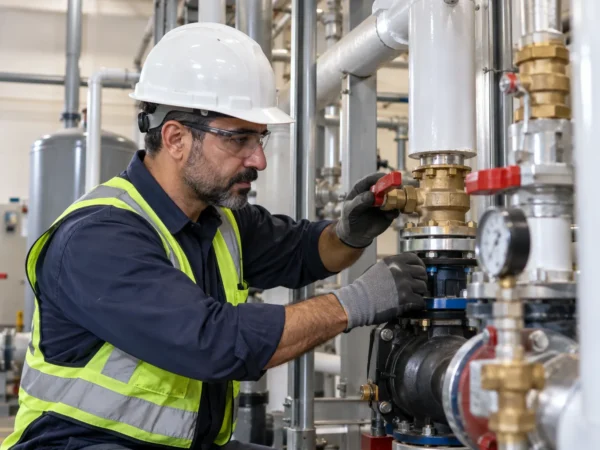
Some changes can be handled through ordinary maintenance, but others deserve prompt attention. Persistent low pressure, repeated pump cycling, visible leaks, unusual electrical sounds, or a sudden loss of water are good reasons to contact a qualified well contractor.
Changes in water taste, odor, or color may require both a system inspection and laboratory testing. If flooding has reached the wellhead, take the possibility of contamination seriously and follow local public health instructions before using the water for drinking or cooking.
When choosing a service provider, ask about their experience with your type of well and equipment. Request a clear explanation of the problem, the recommended repair, and any ongoing maintenance that may be needed. A useful service visit should leave you understanding what happened, not simply holding an invoice.
Keeping previous test results and repair records can make these visits more productive. Even a basic notebook with dates, observations, and service details is better than relying on memory months later.
Small Checks Can Prevent Bigger Problems
You don’t need to inspect every component every weekend. A sensible routine is enough for most homeowners: observe changes in the water, watch for leaks, keep the well area protected, test the water at recommended intervals, and follow maintenance schedules for pumps and treatment equipment.
If something feels different, investigate it early. A change in pressure may be a simple filter issue, while a change in appearance could call for testing. The important part is not jumping to conclusions before you know the cause.
A dependable well system rarely attracts attention, and that’s usually a good thing. With regular testing, sensible maintenance, and timely professional help, you can keep the water supply more reliable and reduce the chance of unpleasant surprises. After all, clean, dependable water isn’t a luxury in a home. It’s part of everyday life, and worth looking after.