Plumbing is one of those services people rarely think about until something stops working. A kitchen sink backs up just before dinner, a toilet refuses to flush properly, or a water heater gives up on the coldest morning of the week. In a business, the consequences can be even more disruptive. A leaking pipe or an unusable restroom may interrupt operations, inconvenience customers, and create expenses nobody planned for.
Good plumbing is about more than fixing a dripping faucet. It means keeping water moving where it should, removing wastewater safely, maintaining equipment, and addressing problems before they grow. Whether you’re looking after a family home, a retail shop, an office, or a larger commercial property, understanding your plumbing needs helps you make better decisions and avoid unnecessary headaches.
Why Reliable Plumbing Matters Every Day
A properly maintained plumbing system supports dozens of ordinary activities. We use clean water to cook, wash, clean, and bathe. Drains carry wastewater away, while pipes and valves help deliver water at the right pressure. When even one part of the system fails, everyday routines can become surprisingly difficult.
For homeowners, plumbing problems can cause property damage and disrupt family life. A small leak under a sink may seem harmless, but continued moisture can damage cabinetry and flooring. If water gets behind walls, repairs may become more complicated.
Commercial properties face their own challenges. Restaurants need dependable water supplies for food preparation and cleaning. Offices require working restrooms, and hotels depend on consistent hot water for guests. In these environments, a plumbing failure can affect customer satisfaction as well as daily operations.
Professional residential and commercial plumbing services address these different requirements, from routine maintenance and fixture repairs to more complex pipework and system upgrades. The right solution depends on the building, the age of its plumbing, how heavily the system is used, and the problem at hand.
Recognizing Plumbing Problems Before They Escalate
Some plumbing issues are obvious. A burst pipe, overflowing toilet, or sudden flood demands immediate attention. Others develop quietly, making them easier to overlook until damage becomes visible.
Keep an eye out for slow drains, persistent dripping, damp spots, unusual odors, and unexplained increases in water bills. Changes in water pressure can also indicate a problem. Although these symptoms don’t always mean something serious is happening, repeated issues deserve investigation.
Consider a bathroom sink that drains slowly every few weeks. Clearing the visible debris may help temporarily, but recurring blockages could point to buildup deeper in the pipe. Similarly, a water stain on the ceiling beneath a bathroom shouldn’t simply be painted over. The source of the moisture needs to be identified first.
If a pipe bursts, turn off the main water supply if it is safe to do so. Keep people away from standing water near electrical equipment, and contact a qualified plumber. Quick action can reduce damage to floors, walls, furniture, and personal belongings.
Routine inspections can help identify worn fittings, corrosion, and developing leaks. For older properties, a professional assessment may be particularly useful before undertaking a renovation or purchasing expensive new appliances.
Keeping Sewer and Drainage Systems in Good Condition
Drainage problems can be unpleasant, messy, and occasionally hazardous. Kitchen drains collect grease and food particles, bathroom pipes accumulate hair and soap residue, and outdoor drainage systems may become blocked by leaves, soil, or debris.
Preventive habits make a difference. Avoid pouring cooking oil or grease into the sink, use drain screens where practical, and dispose of unsuitable waste in the trash rather than flushing it. Chemical drain cleaners aren’t always the best answer to recurring clogs, especially when the pipe material or the cause of the blockage is unknown.
When wastewater backs up, several fixtures drain slowly at once, or sewage odors persist, it’s time to investigate further. A professional sewer service can help determine whether the issue involves a blockage, damaged pipe, tree-root intrusion, or another drainage problem.
Depending on the situation, a plumber may use specialized clearing equipment or a sewer camera to inspect the inside of the line. This makes it easier to identify the problem and decide whether cleaning, targeted repairs, or pipe replacement is appropriate.
Sewer issues should never be ignored. Wastewater backups can contaminate living spaces and create health concerns. If sewage enters your home or business, keep people away from the affected area and arrange professional assistance promptly.
Water Quality Is Worth Paying Attention To
The quality of your water affects more than its taste. Hard water, for example, contains elevated levels of calcium and magnesium. These minerals can leave deposits on faucets, showerheads, and glassware. Over time, scale may also build up in water-using appliances and affect their performance.
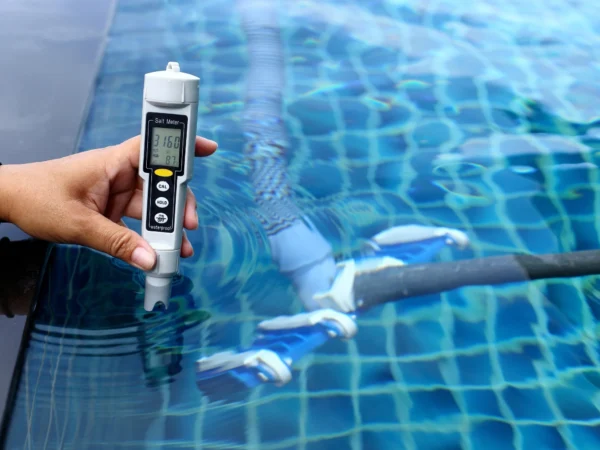
Other water concerns depend on the local supply and the condition of the property’s plumbing. Unusual tastes, odors, or staining can be useful warning signs, but appearances alone cannot confirm whether water is safe to drink. Testing provides a more dependable starting point.
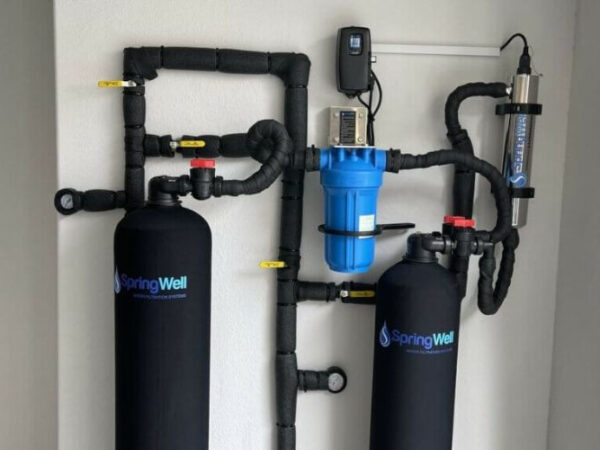
Treatment equipment should be selected according to the results. Sediment filters can reduce suspended particles, while activated carbon systems may improve taste and odor by reducing certain compounds. Water softeners primarily address hardness minerals, and other technologies target particular contaminants.
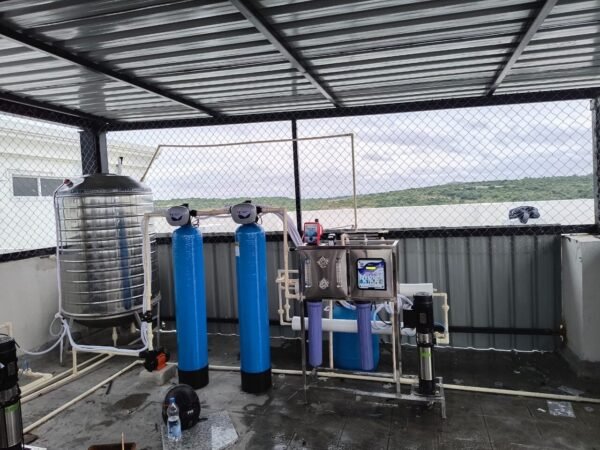
There isn’t one system that solves every water-quality concern. That’s why custom treatment options can be useful for households and businesses with different water conditions, usage levels, and equipment requirements. A suitable solution should be based on testing, treatment goals, available space, and ongoing maintenance needs.
Before choosing a system, ask which substances it is designed to reduce, whether its performance has been independently verified, and how often filters or other components need replacement. Understanding these details helps you avoid paying for equipment that doesn’t address your actual concerns.
Planning Plumbing Upgrades and Equipment Replacements
Older plumbing fixtures and appliances may become less reliable as they age. A water heater that struggles to maintain temperature, a faucet that repeatedly leaks, or pipes showing signs of corrosion may need professional attention.
Repairing a component can be the most economical choice when the problem is limited. However, repeated repairs, extensive corrosion, or declining equipment performance may make replacement more practical. A qualified plumber can explain the options and compare the likely costs.
Water heaters deserve particular attention because households and businesses rely on them every day. When selecting a replacement, consider hot-water demand, energy source, available installation space, and the equipment’s operating costs. Tankless models may suit some properties, while conventional storage heaters remain practical for many others.
Commercial upgrades require additional planning. A busy facility may need work scheduled outside operating hours, while a restaurant or healthcare property may have specific water-use and sanitation requirements. Discussing these needs before work begins can reduce disruption and help the project run smoothly.
Choosing a Plumbing Professional You Can Trust
Not every plumbing problem requires the same level of expertise. When comparing service providers, look for relevant licensing, insurance where required, practical experience, and clear communication.
Ask for a written estimate that explains the proposed work, materials, and potential additional charges. If the full extent of a problem cannot be determined until inspection or dismantling begins, that possibility should be explained in advance.
It’s also reasonable to ask about warranties, expected completion times, and maintenance recommendations. A dependable professional should be willing to explain the problem in plain language and help you understand why a particular repair or replacement is necessary.
Be cautious of recommendations that involve expensive upgrades without a clear explanation. Good service means finding an appropriate solution, not automatically choosing the most costly one.
A Practical Approach to Long-Term Plumbing Care
Reliable plumbing rarely happens by accident. It comes from routine maintenance, sensible water-use habits, and timely attention when something seems wrong. Small repairs completed early can prevent larger disruptions, while carefully chosen upgrades can improve convenience and system performance.
Whether you’re responsible for a family home or a busy commercial property, don’t wait for a minor plumbing concern to become an emergency. Pay attention to warning signs, understand your water quality, and work with qualified professionals when specialist knowledge is needed.
A plumbing system should make daily life easier, not add another problem to your list. With the right care and practical decisions, you can protect your property, manage costs more confidently, and keep essential water services working when you need them most.