The Everyday Difference Water Can Make
Most people don’t spend much time thinking about the water flowing through their homes. It comes out of the tap, fills the kettle, runs through the washing machine, and disappears down the drain. It’s part of the background of daily life, really, until something changes. Maybe the showerhead develops stubborn white deposits, drinking water has an odd aftertaste, or freshly washed glasses look cloudy no matter how carefully they’re cleaned.
These small annoyances can make people wonder whether their water needs attention. Sometimes the answer is simple: the water may be hard, contain chlorine that affects its taste, or carry sediment from the supply or plumbing. Other concerns require testing because not every substance can be detected by sight or smell.
The good news is that homeowners have several options for improving their water. The trick is to understand the problem first, then choose a solution that fits the property rather than buying equipment based on a promise that sounds too good to be true.
Understanding What’s in Your Water
The first step toward better water is learning where it comes from and what it contains. Municipal water supplies are generally treated and monitored according to applicable drinking-water requirements, but characteristics can vary between locations. Plumbing inside an individual property may also affect the water that reaches the tap.
Private wells present a different situation. Their quality can be influenced by surrounding soil, agricultural activity, nearby septic systems, and naturally occurring minerals. Regular testing through a qualified laboratory is especially important for households relying on well water.
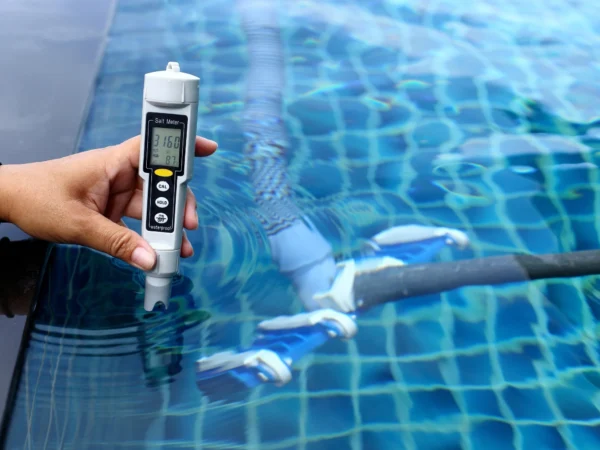
Changes in taste, color, or odor can provide useful clues, but they’re not a complete safety check. Clear water can still contain substances that aren’t visible, and an unusual taste doesn’t necessarily mean the water is dangerous. Testing is the more reliable way to investigate a specific concern.
When reviewing water quality, start with the information available from your local water supplier or a recent laboratory report. Look for results related to hardness, disinfectants, metals, bacteria, or other substances relevant to your water source. If you’re unsure how to interpret the findings, ask a qualified professional to explain which results matter and whether further testing is needed.
This approach saves time and money. Instead of paying for a system with a dozen features, you can focus on the treatment methods that address your actual needs.
When Whole-House Filtration Makes Sense
Imagine taking a shower and noticing a strong chlorine smell, then finding that the same odor is noticeable at several taps around the house. In a situation like this, a treatment system installed at the point where water enters the property may be worth exploring.
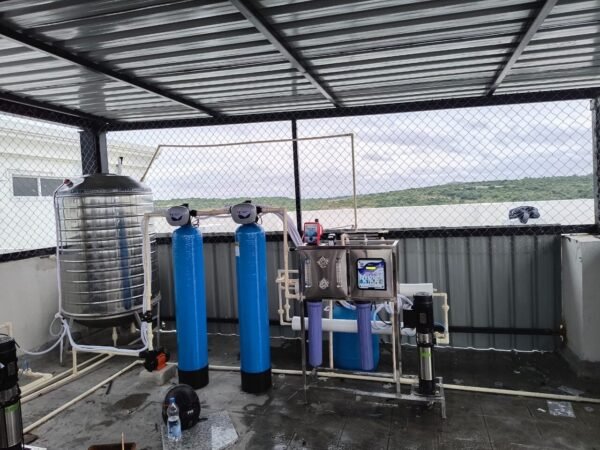
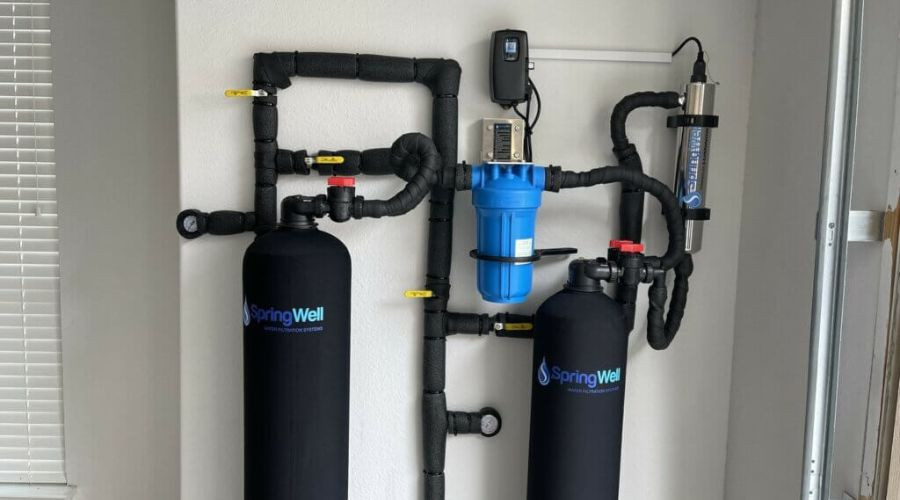
Whole-house filtration treats incoming water before it travels to different fixtures. Depending on the equipment, it can reduce sediment, chlorine taste and odor, or particular contaminants for which the system has been designed and tested.
The main advantage is convenience. Treated water can reach showers, laundry areas, bathroom sinks, and kitchen taps rather than being limited to one drinking-water outlet. This can be useful for families who want to address a water issue throughout the property.
However, whole-house filtration isn’t a single technology that removes everything. Sediment filters capture suspended particles, while activated carbon can reduce chlorine and certain organic compounds. Specialized filter media target other substances, but their effectiveness depends on the product, the incoming water, and operating conditions.
Sizing matters as well. A system needs to support the home’s normal flow rate without creating an inconvenient pressure drop when multiple showers or taps are running. Before installation, check the unit’s capacity, replacement-filter costs, maintenance requirements, and independently verified performance claims.
It’s also worth remembering that some contaminants need specialized treatment. A basic whole-house filter shouldn’t automatically be considered protection against bacteria, dissolved metals, or every chemical that might occur in water. Match the technology to the test results.
Dealing With Hard Water and Mineral Deposits
Hard water is one of the most common reasons homeowners explore treatment equipment. It contains elevated concentrations of dissolved calcium and magnesium, which can leave chalky deposits on faucets, shower screens, and glassware. Scale can also accumulate inside water heaters and other appliances.
If you’re tired of scrubbing the same marks every week, testing the water’s hardness is a sensible starting point. A conventional water softener reduces hardness minerals through ion exchange, helping limit scale formation and allowing soap to lather more easily.
Softening isn’t essential for every property, though. Some homes have only mild hardness and experience few practical problems. Others may find that mineral buildup is frequent enough to justify the cost of a softener.
Traditional salt-based systems need regular salt replenishment and periodic regeneration. They can also increase sodium levels in the treated water, depending on the original hardness. Homeowners with particular dietary or plumbing concerns should discuss suitable options with a qualified professional.
Salt-free conditioners are available, too, but they generally work differently from conventional softeners. They may help manage scale under certain conditions without removing hardness minerals in the same way. Knowing this distinction helps you compare products fairly.
Improving Drinking Water at the Kitchen Sink
Whole-home filtration doesn’t always meet every drinking-water preference. A household might be comfortable with its shower water but dislike the taste of water used for coffee, tea, or cooking. In that case, a point-of-use system installed under the kitchen sink may be a practical option.
Activated carbon filters can reduce certain substances that affect taste and odor. Reverse osmosis systems use a semipermeable membrane to reduce many dissolved substances, depending on the design and certified performance of the unit. Some models also include a remineralization stage to change the taste of treated water.
Before buying a drinking-water filter, check the substances it is certified to reduce and how often its cartridges or membrane need replacing. Consider installation space, water waste, ongoing expenses, and whether replacement parts will remain readily available.
Be cautious about broad claims that a filter makes water healthier simply because it changes the pH or adds minerals. Safe drinking water and verified contaminant reduction are more meaningful measures than impressive marketing language.
Maintenance Should Never Be an Afterthought
Even good equipment needs attention. Filters gradually collect particles, softeners require appropriate settings, and membranes have a limited service life. Neglecting maintenance can reduce performance and make it harder to know whether the system is still working as intended.
Keep a simple record of replacement dates and follow the manufacturer’s instructions. If water pressure drops unexpectedly or the taste, smell, or appearance changes, investigate the cause rather than assuming the filter will fix it.
Professional installation can be helpful when a system connects to the main supply, needs a drain line, or requires electrical components. Depending on the original concern, follow-up testing may also help confirm that the treatment is effective.
Choosing a Solution That Fits Your Life
Effective water treatment begins with a clear purpose. Perhaps you want to reduce chlorine taste, manage hard-water deposits, or address a specific contaminant identified through laboratory testing. Each concern calls for a different approach, and not every home needs a complex combination of equipment.
Look beyond the initial price. Installation, replacement filters, salt, servicing, electricity, and water consumption can all contribute to the long-term cost. Ask questions, compare verified claims, and choose a system that suits your household’s size and daily water use.
Better water doesn’t have to mean buying the most expensive equipment available. It means understanding what’s coming through your taps and making informed decisions based on evidence. With suitable testing, the right technology, and regular maintenance, you can reduce everyday frustrations and feel more confident about the water your household uses.