Category: Home service

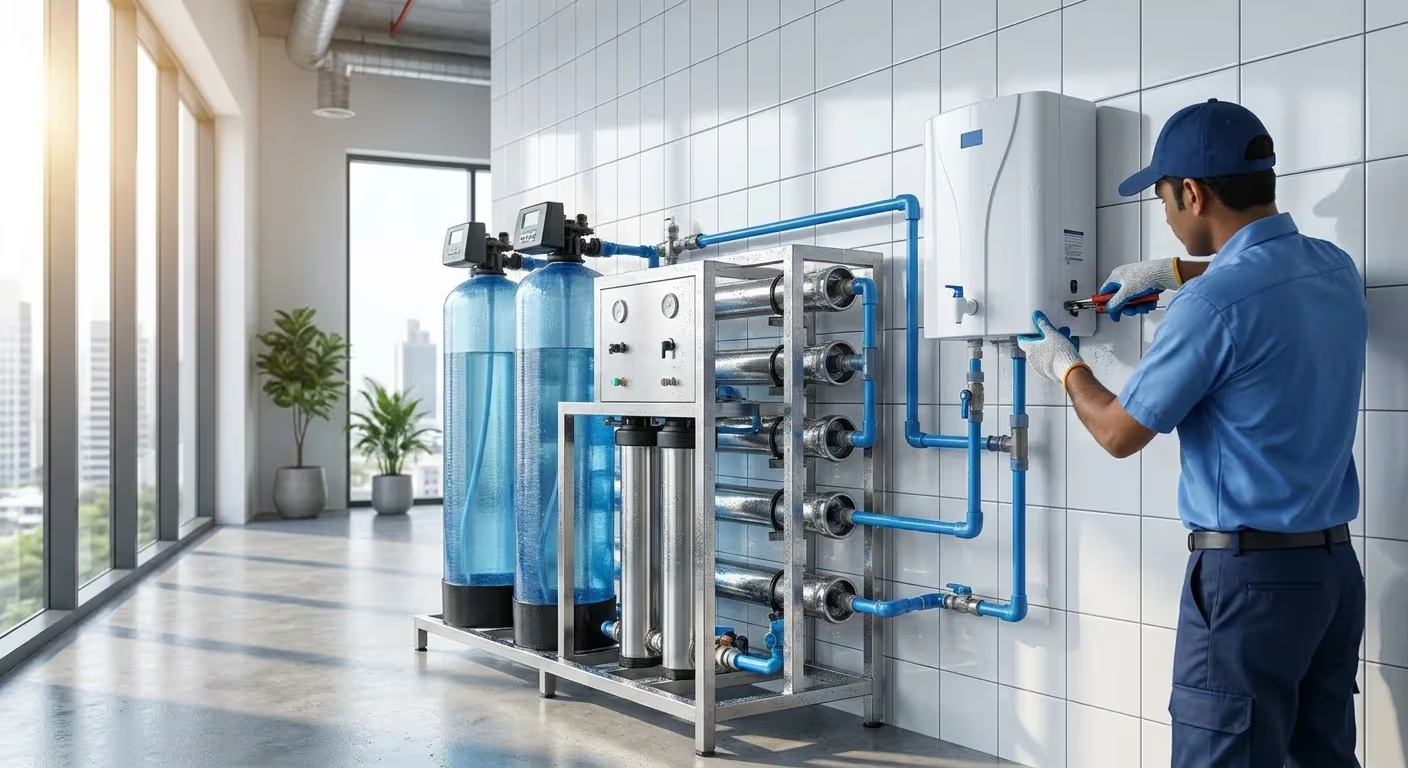
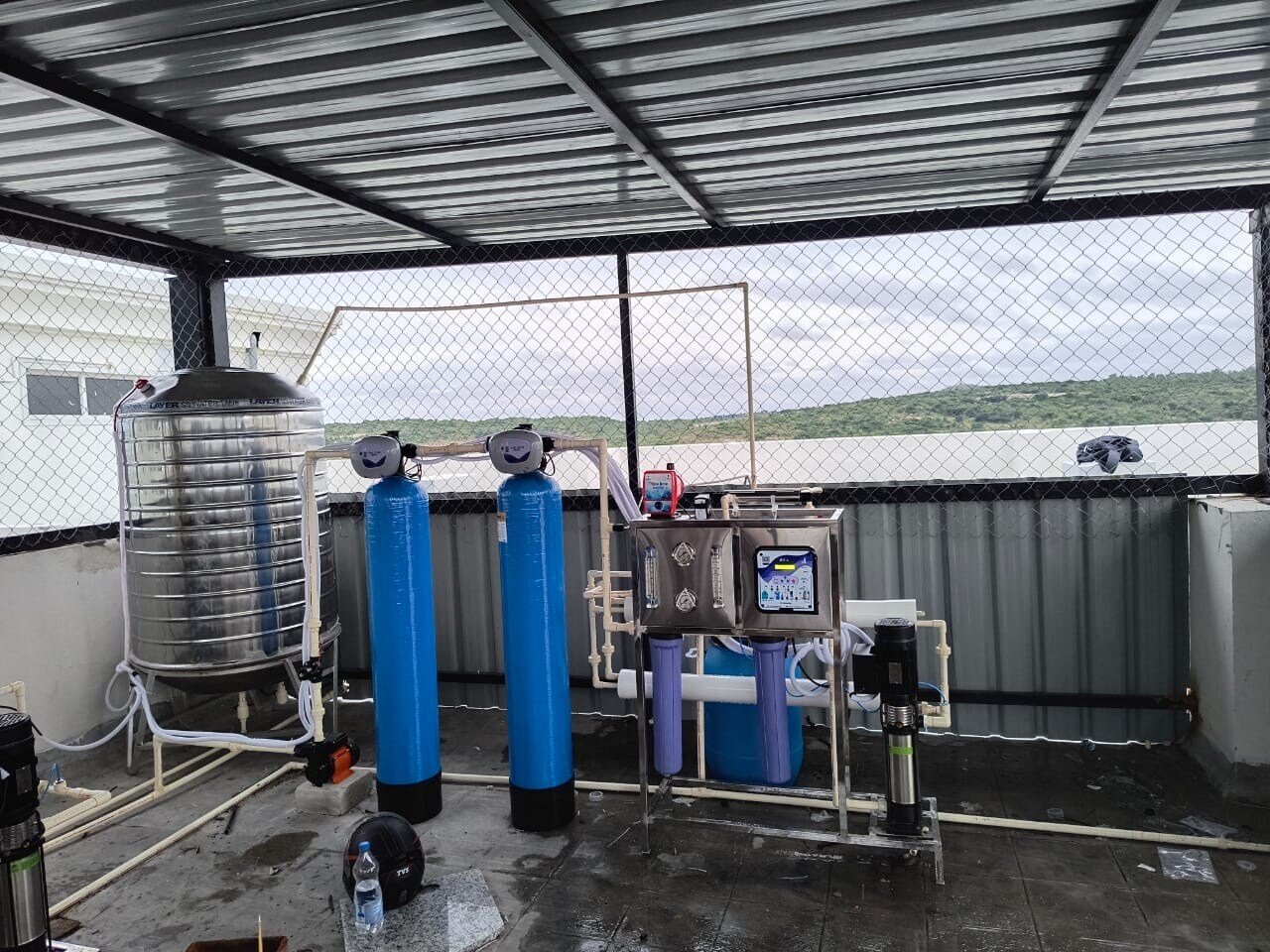
  • What Good Water Softener Service Really Looks Like After Installation

    What Good Water Softener Service Really Looks Like After Installation

    Buying a water softener is often treated as the finish line. The system gets installed, the paperwork is put away, and everyone moves on to the next household project.

    But really, that’s when the relationship with your water treatment provider begins.

    A softener, filtration unit, or other water treatment system can make everyday life noticeably easier, but only when it is maintained properly. Salt has to be available. Filters eventually need attention. Settings may need adjustment. And, every so often, something simply doesn’t behave the way it should.

    That’s why good service matters just as much as good equipment.

    A company can sell a great system, but if getting help afterward feels like chasing someone who doesn’t want to answer the phone, the experience quickly becomes frustrating. On the other hand, reliable support can make a fairly ordinary piece of household equipment feel like a smart investment.

    Listen to What Existing Customers Say

    Before choosing a provider, take some time to see what previous customers have experienced.

    Online ratings can provide useful clues, but don’t stop at the star count. Read a handful of comments. Look for patterns. Are customers mentioning punctual technicians? Clear explanations? Problems being resolved without endless calls?

    Genuine customer feedback is particularly useful when it talks about what happened after installation. Sales experiences can be pleasant with almost any company. Long-term service tells you much more.

    Pay attention to reviews that mention maintenance, replacement parts, billing, warranty claims, and follow-up visits. A business won’t have a perfect review record — no business does — but a consistent pattern of helpful responses is a reassuring sign.

    Reliable Salt Supply Makes Life Easier

    If your water softener uses salt, running out isn’t exactly something you want to discover while doing laundry or taking a shower.

    Some homeowners prefer buying bags of salt themselves, while others like the convenience of having them delivered automatically. A dependable salt delivery service can take one more household chore off your list, especially for families that use a significant amount of softened water.

    The key word is dependable.

    Ask how deliveries are scheduled, whether quantities can be adjusted, and what happens if your household’s water usage changes. Seasonal differences can matter too. A delivery schedule that works perfectly during one part of the year might leave you short during another.

    Automatic service is helpful only when it actually matches your needs.

    Don’t Treat Maintenance as Optional

    Water treatment equipment operates quietly in the background, which makes maintenance easy to forget.

    You don’t necessarily notice a filter becoming less effective from one day to the next. Performance can decline gradually. By the time the water tastes different or pressure changes, the equipment may already be overdue for attention.

    A regular filter replacement schedule helps keep filtration equipment working as intended. The exact timing depends on the type of filter, incoming water quality, household usage, and the manufacturer’s recommendations.

    Don’t rely solely on a calendar reminder, either. If your household suddenly starts using much more water, or if the incoming water quality changes, replacement needs may change as well.

    Keeping a few replacement filters on hand can also prevent a small maintenance task from turning into a week-long inconvenience.

    Ask What Happens When Something Goes Wrong

    This is a question worth asking before you buy, not after the equipment stops working.

    Who do you contact if the system develops a problem? How quickly are service calls normally handled? Is troubleshooting available by phone? Are technicians trained on the equipment being installed?

    Clear answers are reassuring.

    You don’t need a company to promise that nothing will ever go wrong. That’s unrealistic. What matters is having a sensible plan when something does.

    Good service is less about perfection and more about responsiveness.

    Understand Your Warranty

    A warranty can sound impressive until you actually need to use it.

    Before purchasing, find out what’s covered and for how long. Some warranties cover equipment but not labor. Others may exclude certain parts or require specific maintenance procedures.

    Keep your paperwork somewhere easy to find. It sounds obvious, but years later, nobody wants to spend an afternoon trying to remember where the original installation documents disappeared.

    It’s also worth asking whether warranty work is handled directly by the company that installed the system or by the manufacturer. Knowing who is responsible can save confusion if a problem occurs.

    The Cheapest Service Isn’t Always the Best Value

    Price matters, of course. Household budgets aren’t infinite.

    Still, comparing providers only by installation cost can be misleading. A cheaper company may charge more for future service, use expensive replacement parts, or provide limited support once the initial installation is complete.

    Instead, think about the total cost of ownership.

    How often will the system need maintenance? What do replacement filters cost? Is salt delivery available? Are service calls included in any maintenance plan? How long are major components expected to last?

    A slightly higher upfront investment may make sense if it comes with straightforward maintenance and responsive support.

    Good Technicians Explain Things

    You shouldn’t need a plumbing background to understand your own water treatment system.

    A good technician should be able to explain what the equipment does, what you need to maintain, and what warning signs deserve attention. They should also be willing to answer questions without making you feel silly for asking them.

    Maybe you’re wondering why the system regenerated overnight. Perhaps you’re unsure how often to check the salt level. Or you’re hearing a sound you’ve never heard before.

    A patient explanation can turn uncertainty into confidence.

    And frankly, that’s part of what you’re paying for.

    Watch for Unnecessary Upselling

    There is a difference between recommending useful maintenance and trying to sell you something every time someone walks through the door.

    If a technician says a part needs replacing, ask why. If they recommend an additional treatment system, ask what specific water-quality problem it addresses.

    A reputable provider should be comfortable explaining alternatives, including the option of doing nothing immediately when that is reasonable.

    You don’t want a service company that sees every maintenance visit as another sales opportunity.

    Build a Routine That You Can Actually Follow

    The best maintenance plan is one you’ll remember.

    Keep track of filter changes. Check salt levels according to the manufacturer’s guidance. Watch for changes in water pressure, taste, odor, or scale. Schedule professional service when recommended.

    You don’t have to become obsessed with the equipment. A few minutes of attention at sensible intervals can go a long way.

    For busy households, automatic reminders or scheduled service visits can make things easier. The goal isn’t to spend more time thinking about water treatment. It’s to spend less.

    Long-Term Service Is Where the Real Value Shows

    A water treatment system should be more than a one-time purchase sitting quietly in a corner of your garage, basement, or utility room.

    The real value becomes apparent over time. It’s the technician who answers your question. The replacement part that’s available when you need it. The delivery that arrives before the salt runs out. The maintenance visit that catches a small problem before it becomes an expensive one.

    Those details may not look impressive in an advertisement, but they make a difference in real life.

    So when you’re choosing a water treatment provider, look beyond the equipment and the introductory price. Ask how the company supports customers after installation, how maintenance is handled, and whether existing customers seem genuinely satisfied.

    Good equipment matters. But dependable service is what helps that equipment keep doing its job year after year.

    And when something as important as your home’s water is involved, that peace of mind is worth quite a bit.
  • Choosing the Right Cooling and Heating System for the Way You Actually Live

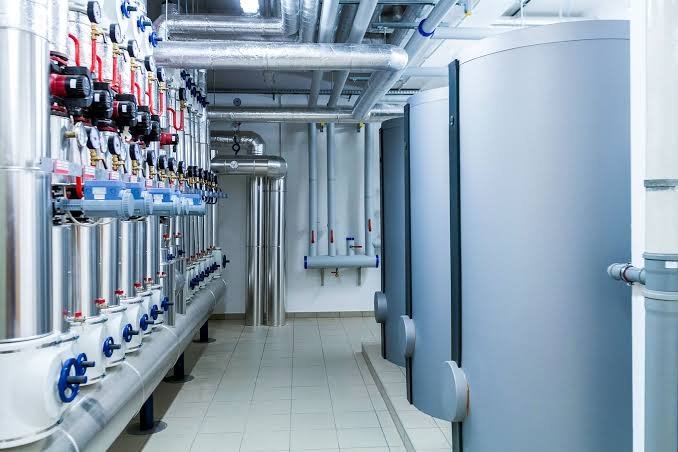
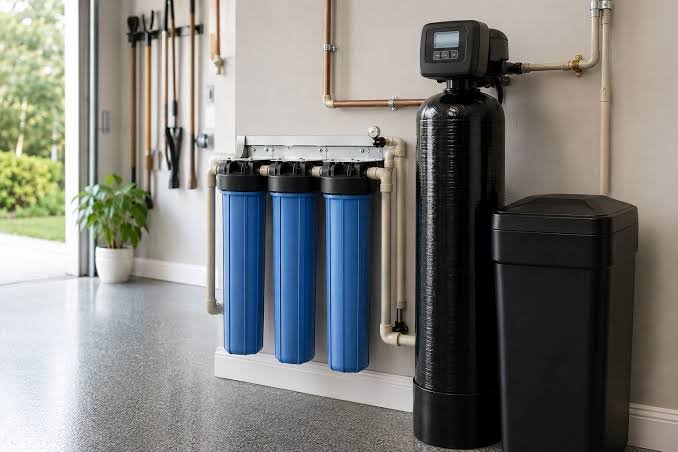
    Choosing the Right Cooling and Heating System for the Way You Actually Live

    Choosing a heating or cooling system isn’t quite as simple as picking the most powerful model on the showroom floor. Your home has its own quirks. Maybe one room gets unbearably warm in the afternoon while another stays chilly. Maybe the house has an older duct system that has seen better days. Or perhaps you’re planning a new building and have the chance to get things right from the beginning.

    The right system should fit the property, the climate, the people using it and, importantly, the way the building is actually used.

    That’s easy to forget when you’re comparing equipment brochures filled with efficiency ratings and technical specifications. Numbers matter, certainly. But comfort isn’t created by numbers alone. Installation quality, sizing, maintenance and daily habits all play a role.

    Start With the Building, Not the Equipment

    Before choosing a system, take a good look at the property.

    How well is it insulated? Are windows older or recently upgraded? Does the sun hit one side of the building for most of the afternoon? Are there rooms that are rarely occupied?

    These details affect heating and cooling requirements.

    A properly sized system can generally operate more effectively than one selected simply because it has a larger capacity. Bigger equipment isn’t automatically better. In some situations, oversized equipment can cycle too frequently, which may affect comfort and efficiency.

    A professional load assessment can provide a much better starting point than guessing based on square footage alone.

    Consider How the System Will Be Used

    A family that spends most evenings together in a few rooms has different needs from a household where everyone spreads out across the entire home.

    The same idea applies to businesses.

    An office, restaurant, workshop and retail store can all have very different temperature requirements. Occupancy changes throughout the day, doors may open frequently, and equipment can add significant heat to certain areas.

    Thinking about these patterns before installation can help you choose a system that makes sense for real life, not just a floor plan.

    Geothermal Has a Different Approach

    Traditional HVAC systems exchange heat with the outdoor air. A geothermal system takes a different route, using the relatively stable temperature of the ground as part of the heat-exchange process.

    Geothermal systems can offer an interesting option for properties where the installation conditions, available land and long-term plans make the technology practical.

    They’re not the right answer for every building. Installation can involve substantial upfront work, and site conditions need to be evaluated carefully.

    For property owners considering geothermal technology, the most useful conversation is usually about long-term value rather than simply the initial price tag.

    Ductless Systems Can Solve Some Awkward Problems

    Not every building has convenient ductwork.

    Older homes may have been built without central air. Additions can be difficult to connect to an existing system. Garages, converted spaces and detached rooms may have their own heating and cooling requirements.

    That’s where ductless ac systems can be particularly useful.

    A ductless setup can provide targeted cooling without requiring traditional ductwork throughout the space. It can also make zoning easier, allowing different areas to be conditioned according to their use.

    Of course, installation still matters. The indoor and outdoor units need to be positioned thoughtfully, and the system should be properly sized for the area it serves.

    Comfort Isn’t Just About Temperature

    People often say a room is “too hot” or “too cold,” but temperature is only part of the comfort equation.

    Humidity, airflow and air quality can affect how a space feels.

    A room with poor air circulation may feel uncomfortable even when the thermostat displays the expected temperature. Excess humidity can make warm conditions feel much worse. Dust and inadequate filtration may also affect indoor air quality.

    When discussing a new HVAC system with a professional, explain the actual comfort problems you’re experiencing rather than simply asking for a particular piece of equipment.

    The solution may involve more than changing the thermostat.

    Commercial Refrigeration Deserves a Separate Conversation

    Businesses that handle food or temperature-sensitive products have another major concern: refrigeration.

    A restaurant or grocery store can’t treat a refrigerator like an ordinary appliance. Equipment may operate continuously, and a failure can affect inventory, food safety procedures and daily operations.

    That’s why commercial refrigeration repair should be handled by professionals familiar with commercial equipment and its operating demands.

    Warning signs such as unusual compressor noise, excessive frost, inconsistent temperatures or water around the equipment shouldn’t be ignored. A small issue may be easier and less expensive to correct before the system fails completely.

    Maintenance Protects Your Investment

    Even the best HVAC equipment needs maintenance.

    Filters need attention. Coils collect dust and debris. Electrical components age. Moving parts experience wear.

    Routine maintenance gives technicians an opportunity to inspect the system and identify developing concerns. It can also help owners understand whether equipment is operating normally or beginning to lose efficiency.

    Maintenance schedules vary by equipment and workload, so there isn’t one universal calendar that works for every property.

    The important thing is consistency.

    Don’t Ignore Uneven Temperatures

    If one room is always warmer than another, don’t automatically assume you need a bigger air conditioner.

    Uneven temperatures can result from airflow problems, ductwork issues, insulation differences, sun exposure or poor zoning.

    In some homes, a relatively small adjustment can improve comfort considerably. In others, the existing ductwork may need professional evaluation.

    For new installations, zoning can be worth considering if different areas of the property have very different schedules or comfort needs.

    Energy Efficiency Should Be Viewed Long Term

    Efficiency ratings are useful, but don’t look at them in isolation.

    Think about how long you expect to own the property, how frequently the equipment will run and how much maintenance it may require.

    A system with a higher purchase price may offer better long-term value if it uses less energy and provides dependable performance. But that doesn’t mean the most expensive model is automatically the right choice.

    Ask for practical comparisons.

    What might the annual operating costs look like? What maintenance does the equipment require? Are replacement parts readily available? How long is the expected service life?

    Those answers can tell you more than a glossy brochure.

    Installation Quality Matters More Than Most People Think

    HVAC equipment doesn’t install itself.

    Poor installation can lead to airflow problems, drainage issues, inefficient operation and premature wear. Even excellent equipment can underperform when it’s installed incorrectly.

    Choose a contractor who follows manufacturer specifications and takes the time to test the completed system.

    A rushed installation may save a little time today but create frustration later.

    Think About the Future

    Your heating and cooling needs may change.

    A growing family, a home addition, a business expansion or changes in building use can all affect HVAC requirements.

    If you’re investing in a new system, think beyond the next twelve months.

    You don’t need to predict the future perfectly. Just consider whether the system can accommodate realistic changes.

    For businesses, this may mean discussing future operating hours or additional equipment. For homeowners, it might involve planned renovations or converting unused areas into living space.

    The Best System Is the One That Fits

    There’s no single HVAC technology that’s perfect for everyone.

    Some properties benefit from conventional central systems. Others may be better suited to ductless solutions. Certain buildings may make geothermal worth exploring. Commercial properties may require entirely different equipment and controls.

    The important thing is to start with the property and its needs.

    Get the system sized correctly. Pay attention to installation quality. Maintain the equipment. Don’t ignore unusual performance changes. And choose professionals who are willing to explain your options rather than simply selling you whatever happens to be on the truck.

    A good HVAC system should make life easier, not become another thing you constantly have to think about.

    When the temperature outside is doing its worst, that’s when you’ll appreciate getting the choice right.

  • Understanding Your Local Water Treatment Service Area and Options in Central Florida

    Understanding Your Local Water Treatment Service Area and Options in Central Florida

    Water quality can vary more than many homeowners realize. Two neighborhoods only a short drive apart may experience different levels of hardness, mineral content, sediment, or other water concerns. Even within the same community, plumbing age, water source, and local infrastructure can influence what comes out of the tap.

    For that reason, choosing a water treatment company is not simply about finding a business with attractive equipment. It’s about finding a provider that understands local water conditions, offers suitable solutions, and can provide support when you need it. A company may have excellent products, but if technicians cannot reach your property easily or don’t understand the area’s common water problems, the experience can become frustrating.

    Before scheduling an appointment, it helps to understand what to look for in a provider, how local service works, and which treatment options may suit your home.

    Why Local Water Knowledge Matters

    Water treatment is rarely a one-size-fits-all service. The most suitable system depends on the water source, the contaminants or minerals present, household usage, and the results of professional testing.

    A local provider is often more familiar with recurring water concerns in the communities it serves. For example, some areas may commonly experience hard water, while others may deal with iron staining, sulfur odors, sediment, or specific well-water challenges. This local familiarity can make it easier to identify likely problems, although testing should still be used to confirm the actual condition of your water.

    When researching a company, review its service area carefully. A provider that regularly works in your community may understand local plumbing layouts, common installation requirements, and the types of systems frequently used in nearby homes. It may also be able to respond more quickly when maintenance or repairs are needed.

    Water Challenges Commonly Found in Central Florida

    Homeowners throughout central florida may encounter water quality concerns related to mineral content, groundwater conditions, plumbing infrastructure, or treatment processes. Hard water is one of the most common complaints. It can leave white scale on shower doors, faucets, and appliances, while also making soap and shampoo more difficult to rinse away.

    Iron and manganese can create orange, brown, or black staining. In some cases, sulfur compounds may cause an unpleasant rotten-egg smell. Sediment can affect water clarity and may collect in faucet aerators, filters, or plumbing fixtures.

    Not every concern is visible, though. Certain contaminants cannot be detected through taste, smell, or appearance. This is why a water test is an important starting point, especially for homes using private wells.

    A water treatment professional should explain what the test measures and whether additional laboratory testing is necessary. The purpose is to understand the issue clearly before selecting equipment.

    Exploring Water Treatment Options

    Once the water has been tested, the next step is choosing a treatment method that matches the results. Several types of systems are available, but each serves a different purpose.

    Water softeners are commonly used to reduce hardness minerals such as calcium and magnesium. Filtration systems may target sediment, chlorine, odors, or selected contaminants, depending on the filter media. Reverse osmosis systems are often installed under a kitchen sink or at a dedicated drinking-water faucet to provide more focused treatment.

    Ultraviolet purification may be considered for certain microbial concerns, particularly in private well applications. Specialized filtration may also be appropriate for iron, sulfur, or other water quality issues.

    It’s important not to assume that one system can solve every problem. A softener, for example, is designed primarily for hardness reduction. It is not automatically a complete solution for bacteria, chemicals, or every unpleasant odor. A reputable provider should explain which technologies are necessary and which may be unnecessary.

    Why Water Softeners Remain Popular

    For households dealing with hard water, water softeners can make a noticeable difference in daily routines. Hard water minerals can form scale inside water heaters, dishwashers, washing machines, showerheads, and plumbing fixtures. Over time, this buildup may affect efficiency and increase the need for cleaning or repairs.

    A water softener generally works through ion exchange, replacing hardness minerals with sodium or potassium ions, depending on the system and setup. The equipment typically regenerates periodically, which means it may require salt, water, and routine maintenance.

    The benefits can include softer-feeling laundry, better soap performance, fewer mineral deposits, and reduced scale buildup. Still, homeowners should ask about salt consumption, regeneration frequency, water usage, and ongoing operating costs before purchasing.

    Some households may prefer salt-free conditioning systems, but these products work differently and should not automatically be treated as equivalent to traditional softeners. The right choice depends on the water chemistry and the homeowner’s priorities.

    What to Ask a Local Provider

    A professional consultation should feel informative, not rushed. Before agreeing to a system, ask the company to explain the water problem in straightforward language. You should know what the equipment is designed to remove, what it cannot remove, and how the recommendation is connected to your test results.

    It’s also useful to ask:

    • Is water testing included in the consultation?
    • What type of maintenance does the system require?
    • How often will filters, salt, or treatment media need replacement?
    • Does the installation require drainage, electricity, or additional plumbing?
    • What is covered under the warranty?
    • Are service visits available after installation?
    • Are replacement parts easy to obtain?
    • What are the estimated long-term operating costs?

    These questions can help you compare providers based on more than the initial price.

    Installation and After-Sales Support

    A water treatment system is connected to your home’s plumbing, so installation quality matters. Poorly installed equipment may leak, reduce water pressure, or fail to perform as expected. Professional technicians should inspect the installation location, confirm water pressure, secure connections, and configure the system according to manufacturer instructions.

    The provider should also explain how to operate the equipment and recognize basic warning signs. Clear instructions are particularly important for systems that require regular filter changes, salt replenishment, or scheduled cleaning.

    After-sales support is another important consideration. Even reliable equipment may eventually need service. A local company that offers maintenance plans, troubleshooting, and repair support can make ownership much easier.

    Before signing a contract, confirm whether installation, setup, follow-up testing, and future service are included or billed separately.

    Making a Confident, Practical Choice

    Choosing a water treatment provider is ultimately about finding a balance between water quality, budget, convenience, and long-term reliability. A local company may offer valuable knowledge of area-specific concerns, but it should still rely on testing and explain its recommendations clearly.

    Avoid selecting a system solely because it is expensive, heavily advertised, or popular with someone else. Your home may have different water conditions and different needs.

    Start by identifying the problems you’ve noticed, arrange appropriate testing, and compare solutions that address those findings. Consider maintenance requirements and service availability just as carefully as the equipment itself.

    With the right provider and a properly selected system, improving your water quality can become a practical investment rather than an ongoing source of frustration. The goal is simple: water that works better for your home, supported by professionals who understand what your property needs and remain available long after installation is complete.

  • Understanding Water Quality: How Modern Filtration Helps Create Safer Drinking Water

    Understanding Water Quality: How Modern Filtration Helps Create Safer Drinking Water

    Water is something most of us use without a second thought. We turn on the tap, fill a glass, cook dinner, or make a cup of tea. Yet the quality of that water can have a noticeable effect on our health, household appliances, and everyday comfort. Even water that looks perfectly clear may contain dissolved minerals, unpleasant odors, or contaminants that aren’t visible to the naked eye.

    That’s why understanding water quality matters. It isn’t simply about making water taste better. It’s about knowing what may be present in your supply and choosing a treatment method that addresses those specific concerns.

    Why Water Quality Can Change Over Time

    Water quality isn’t always consistent. Municipal water supplies are treated and monitored, but the water can still pick up substances as it travels through distribution pipes. Private wells have their own challenges, including naturally occurring minerals, bacteria, and runoff-related contaminants.

    The condition of household plumbing also plays a role. Older pipes may contribute metals or sediment, while construction, seasonal changes, and maintenance work can occasionally affect water characteristics. In some areas, groundwater naturally contains higher levels of minerals such as calcium and magnesium.

    These minerals are responsible for hard water. Although hard water isn’t generally considered a direct health threat, it can create practical problems. scale buildup may appear inside kettles, water heaters, faucets, and showerheads. Over time, it can reduce efficiency, restrict water flow, and leave surfaces covered in stubborn white deposits.

    The Difference Between Hard Water and Contaminated Water

    One common misunderstanding is treating every water-quality problem as the same issue. Hard water and contamination are not identical.

    Hard water primarily contains elevated levels of minerals. It may leave skin feeling dry, make soap harder to lather, and cause spots on dishes. Contaminated water, on the other hand, may contain substances that can affect taste, safety, or usability, depending on what is present and at what concentration.

    Potential contaminants include sediment, chlorine byproducts, lead, nitrates, bacteria, and certain industrial chemicals. The actual concerns depend heavily on the water source and local conditions. A cloudy appearance, unusual smell, or metallic taste can be a reason to investigate, but appearance alone cannot confirm whether water is safe.

    The most useful starting point is often a water test. Testing can identify specific issues instead of relying on assumptions or purchasing a system based on a generic promise.

    How Reverse Osmosis Works

    For households concerned about dissolved impurities, reverse osmosis is one treatment technology worth understanding. reverse osmosis drinking water systems use pressure to push water through a semipermeable membrane. The membrane allows water molecules to pass while reducing many dissolved substances and other impurities.

    A typical system may include several stages. A sediment filter catches particles such as dirt and rust. A carbon filter helps reduce chlorine and certain compounds that affect taste and odor. The reverse osmosis membrane then performs the central separation process. Some systems also include a final polishing filter or a mineral-remineralization stage.

    The result can be water with fewer dissolved contaminants, depending on the system design and the quality of the incoming supply. However, reverse osmosis isn’t a universal solution for every water problem. It may remove beneficial minerals along with unwanted substances, produce wastewater, and require regular filter replacement. The right choice depends on household needs, water chemistry, and installation conditions.

    Why Testing Should Come Before Choosing a System

    Buying a water filter without understanding the water being treated can lead to disappointing results. A system designed mainly for sediment won’t necessarily address dissolved metals. A softener intended to reduce hardness isn’t designed to remove every chemical contaminant. And a carbon filter may improve taste without addressing all potential safety concerns.

    A professional water analysis can help clarify which treatment method makes sense. Depending on the results, a home may benefit from a whole-house filter, water softener, ultraviolet treatment, reverse osmosis unit, or a combination of technologies.

    For example, a household dealing with mineral deposits may need a softener, while a family concerned about drinking-water impurities may prefer a point-of-use filtration system. In some cases, treating the entire home is useful; in others, focusing on the kitchen drinking-water tap is more practical and economical.

    Whole-Home Filtration Versus Point-of-Use Treatment

    Whole-home systems treat water as it enters the property. This means water supplied to showers, washing machines, sinks, and other fixtures may receive treatment. These systems can be helpful when the concern affects the entire household supply, such as sediment, chlorine, or certain types of water hardness.

    Point-of-use systems, meanwhile, are installed at a specific faucet or appliance. Under-sink reverse osmosis units are a common example. They focus treatment where drinking and cooking water are most often needed.

    Neither approach is automatically better. Whole-home treatment can provide broader coverage but may involve greater installation costs and maintenance. Point-of-use treatment can be more targeted and affordable, especially when the primary concern is drinking water rather than every tap in the house.

    Maintenance Is Part of Water Treatment

    Even a well-designed filtration system needs attention. Filters collect particles and absorb substances over time, so they eventually need replacement. Membranes may require periodic servicing, and storage tanks or housings should be checked according to the manufacturer’s instructions.

    Neglecting maintenance can reduce performance and, in some situations, create hygiene concerns. A system may still look operational while its filters are no longer working effectively.

    Homeowners should keep a record of filter-change dates, follow recommended service intervals, and pay attention to changes in water taste, pressure, or odor. If a system includes a monitoring indicator, it should be treated as a useful reminder rather than something to ignore.

    Making a Practical, Informed Choice

    Water treatment doesn’t have to be complicated, but it should be based on evidence. Start by identifying the water source, reviewing any available local quality reports, and arranging testing when necessary. Then compare treatment technologies based on the contaminants they are designed to reduce, their maintenance requirements, installation needs, and long-term operating costs.

    It’s also worth asking how much water a system wastes, whether replacement filters are easy to obtain, and whether the equipment has been independently certified for the claims being made. Certification can help consumers distinguish tested performance from vague marketing language.

    Ultimately, the goal is straightforward: contaminant-free water is an ideal many households aim for, but achieving safer, better-quality water requires matching the treatment method to the actual problem. Clear water is not always perfect water, and the most expensive system isn’t necessarily the most suitable one.

    With reliable testing, appropriate filtration, and consistent maintenance, families can make more confident decisions about what comes out of their taps. Good water quality isn’t just a technical concern—it’s part of creating a healthier, more comfortable home.

  • Aylesbury to Barking: A Straightforward Guide to Planning Your Move

    Aylesbury to Barking: A Straightforward Guide to Planning Your Move

    Every move looks simple until you’re standing in a hallway trying to work out how a wardrobe is going to get round a corner it clearly wasn’t built for. The furniture is rarely the hard part. It’s the access, the parking, the timing, and the dozen small logistics that nobody thinks about until moving morning arrives.

    Aylesbury and Barking couldn’t be more different as places to move to or from, yet the same underlying question applies to both: has the company you’re hiring actually planned for the property you live in, or are they working from a guess based on a phone call? Get that answer right and the rest tends to fall into place.

    What Makes a Move in Aylesbury Different

    Aylesbury has grown substantially over the past two decades, spreading out from its historic market town centre into large new residential areas around Fairford Leys, Berryfields, and Kingsbrook. That expansion means two very different types of property, each with its own logistics.

    Newer estates. Wide roads, driveways, and easy vehicle access generally make these among the more straightforward moves — provided the volume of belongings has been estimated accurately.

    Older streets near the centre. Property around the historic core and older residential roads can mean tighter parking, narrower pavements, and less space for a large vehicle to manoeuvre. A long carry from van to front door is common here, and it’s one of the most frequent reasons a quoted price changes on the day.

    Aylesbury also functions as a commuter town, with regular services into London via Chiltern Railways from Aylesbury and Aylesbury Vale Parkway stations. A meaningful share of local moves involve people relocating from London for more space, which often means larger loads and, occasionally, more complex chains with tighter completion windows.

    If you’re comparing companies for Removals Aylesbury UK, it’s worth asking directly whether their quote assumes the vehicle can park right outside your home. If it can’t — because of a narrow street, resident parking, or building work nearby — that needs pricing in from the start, not added as a surprise on the invoice.

    What Makes a Move in Barking Different

    Barking sits within the London Borough of Barking and Dagenham, and the practical challenges here are shaped far more by London-specific rules than by the properties themselves.

    Parking Is Rarely Straightforward

    A large proportion of residential streets in Barking fall within controlled parking zones. Unless a bay is free at exactly the right moment, a removal vehicle generally needs a suspended bay or dispensation arranged through the council. This isn’t something to leave until the week of the move — processing can take time, and turning up without one risks a fine or a van that simply can’t park close enough to load efficiently.

    Emissions Charges Apply

    Because Barking is within Greater London, it falls inside the Ultra Low Emission Zone. Any non-compliant vehicle used for the move will incur a daily charge. Ask your removals company directly whether their fleet is compliant, and if not, whether the charge is built into your quote or billed separately afterwards.

    Housing Stock Adds Its Own Complications

    Much of Barking’s older housing consists of terraced streets and converted flats, some above shops along the main roads. Narrow staircases, shared hallways, and properties without lifts all extend the time a move takes. A firm quoting for Removals Barking UK without having seen the property — even briefly, over video — is working from assumptions that may not hold up once the crew arrives.

    The area around Barking Riverside has also expanded significantly in recent years, bringing newer apartment developments into the mix. These often come with their own access rules: booking a lift in advance, restricted moving hours, or a requirement to show proof of insurance to a building manager before access is granted.

    How to Actually Compare Quotes

    Price alone won’t tell you which company will do a good job. A few other things matter more.

    Ask whether they survey the property. A proper pre-move survey, whether in person or by video call, is the clearest sign that a quote reflects your actual home rather than a rough average.

    Check what the insurance covers. Goods-in-transit and public liability cover both matter, and most policies have a per-item value limit. If you own anything particularly valuable, declare it and get written confirmation of what’s covered.

    Look for trade body membership. Firms that belong to an organisation such as the British Association of Removers work to an agreed standard and are subject to a formal complaints process, which gives you somewhere to go if things go wrong.

    Request an itemised quote. You want to see labour, vehicle size, packing materials, and any potential surcharges for stairs, long carries, or waiting time — not one number with no explanation behind it.

    Confirm waste carrier registration. If you want old furniture or packaging taken away, the company needs to be a licensed waste carrier to dispose of it legally.

    What’s Usually Included in a Full-Service Move

    Not every company offers the same scope, so it’s worth checking what’s actually in the price:

    1. Packing — a full pack by the crew, a part-pack of fragile items only, or materials supplied for you to pack yourself.
    2. Dismantling and rebuilding furniture — beds, wardrobes, and standard flat-pack units, though some older or built-in pieces may not survive being taken apart.
    3. Loading, transport, and protection — including covers for floors, door frames, and banisters at both properties.
    4. Unloading to the correct room — far faster when boxes are labelled by destination rather than contents.
    5. Storage — useful if your move-in and move-out dates don’t quite align, which happens more often than people expect.

    Mistakes That Slow Things Down or Cost Money

    • Booking too late. Fridays and month-ends fill up fastest, so aim to book four to six weeks ahead where possible.
    • Underestimating what’s in the loft or garage. These spaces get missed during rough estimates and then add unexpected volume on the day.
    • Skipping the parking paperwork. Whether it’s a bay suspension in Barking or simply confirming access on a narrow Aylesbury street, sort this well before moving day.
    • Packing liquids loosely. Cleaning products and open bottles are a common cause of damaged boxes.
    • Not keeping an essentials bag. Chargers, medication, a change of clothes, and basic kitchen items should travel with you rather than get buried in the van.

    Frequently Asked Questions

    How far in advance should I book my removal company?

    Four to six weeks is generally sensible for a standard house move, and longer if you need a Friday or end-of-month date. If your completion date isn’t confirmed yet, ask whether the company offers provisional bookings.

    Do I need to arrange parking permits myself?

    In areas with controlled parking, often yes, though many removals firms will handle the council application for you if asked. In Barking especially, this needs to be arranged well ahead of the move date rather than left until the last minute.

    What isn’t covered by standard removals insurance?

    Typically excluded or capped are cash, jewellery, and items you packed yourself. If something you own exceeds the standard per-item limit, mention it during the survey so it can be covered properly.

    How long does a typical house move take?

    A local move within Aylesbury or Barking generally takes most of a working day, though access and stairs are the biggest variables. Poor access at either end can add hours that wouldn’t otherwise be needed.

    Can a large removal lorry get onto every street?

    Not always, particularly on older or narrower roads in both areas. Some firms use a smaller shuttle vehicle where a full-size lorry won’t fit, which adds time and should be reflected in the quote rather than appearing as a surprise charge.

    Is hiring professionals worth it compared to a DIY move?

    For anything beyond a small flat with easy access, generally yes. Once you factor in fuel, hired equipment, potential emissions or parking charges, and the risk of handling heavy items without the right experience, the cost gap narrows considerably.