Water is something most of us use without a second thought. We turn on the tap, fill a glass, cook dinner, or make a cup of tea. Yet the quality of that water can have a noticeable effect on our health, household appliances, and everyday comfort. Even water that looks perfectly clear may contain dissolved minerals, unpleasant odors, or contaminants that aren’t visible to the naked eye.
That’s why understanding water quality matters. It isn’t simply about making water taste better. It’s about knowing what may be present in your supply and choosing a treatment method that addresses those specific concerns.
Why Water Quality Can Change Over Time
Water quality isn’t always consistent. Municipal water supplies are treated and monitored, but the water can still pick up substances as it travels through distribution pipes. Private wells have their own challenges, including naturally occurring minerals, bacteria, and runoff-related contaminants.
The condition of household plumbing also plays a role. Older pipes may contribute metals or sediment, while construction, seasonal changes, and maintenance work can occasionally affect water characteristics. In some areas, groundwater naturally contains higher levels of minerals such as calcium and magnesium.
These minerals are responsible for hard water. Although hard water isn’t generally considered a direct health threat, it can create practical problems. scale buildup may appear inside kettles, water heaters, faucets, and showerheads. Over time, it can reduce efficiency, restrict water flow, and leave surfaces covered in stubborn white deposits.
The Difference Between Hard Water and Contaminated Water
One common misunderstanding is treating every water-quality problem as the same issue. Hard water and contamination are not identical.
Hard water primarily contains elevated levels of minerals. It may leave skin feeling dry, make soap harder to lather, and cause spots on dishes. Contaminated water, on the other hand, may contain substances that can affect taste, safety, or usability, depending on what is present and at what concentration.
Potential contaminants include sediment, chlorine byproducts, lead, nitrates, bacteria, and certain industrial chemicals. The actual concerns depend heavily on the water source and local conditions. A cloudy appearance, unusual smell, or metallic taste can be a reason to investigate, but appearance alone cannot confirm whether water is safe.
The most useful starting point is often a water test. Testing can identify specific issues instead of relying on assumptions or purchasing a system based on a generic promise.
How Reverse Osmosis Works
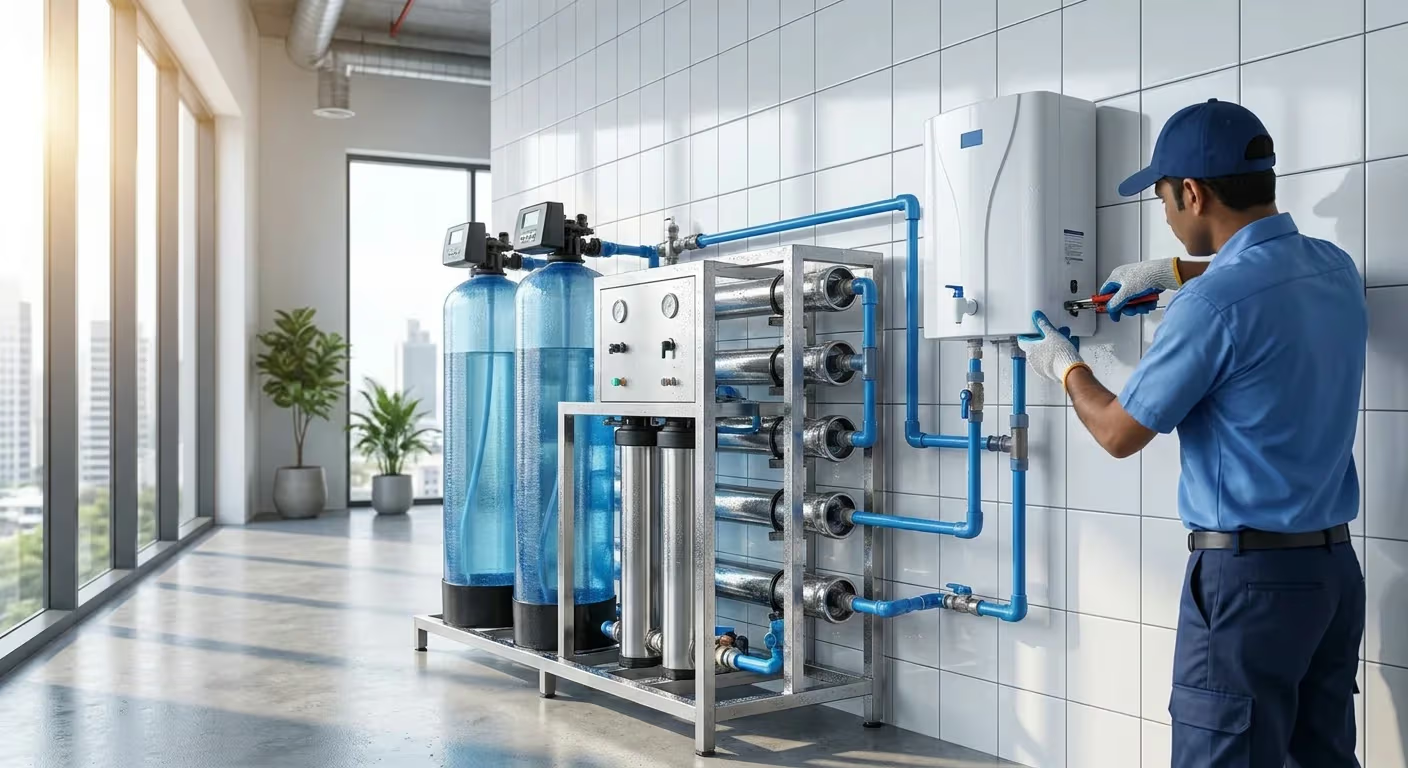
For households concerned about dissolved impurities, reverse osmosis is one treatment technology worth understanding. reverse osmosis drinking water systems use pressure to push water through a semipermeable membrane. The membrane allows water molecules to pass while reducing many dissolved substances and other impurities.
A typical system may include several stages. A sediment filter catches particles such as dirt and rust. A carbon filter helps reduce chlorine and certain compounds that affect taste and odor. The reverse osmosis membrane then performs the central separation process. Some systems also include a final polishing filter or a mineral-remineralization stage.
The result can be water with fewer dissolved contaminants, depending on the system design and the quality of the incoming supply. However, reverse osmosis isn’t a universal solution for every water problem. It may remove beneficial minerals along with unwanted substances, produce wastewater, and require regular filter replacement. The right choice depends on household needs, water chemistry, and installation conditions.
Why Testing Should Come Before Choosing a System
Buying a water filter without understanding the water being treated can lead to disappointing results. A system designed mainly for sediment won’t necessarily address dissolved metals. A softener intended to reduce hardness isn’t designed to remove every chemical contaminant. And a carbon filter may improve taste without addressing all potential safety concerns.
A professional water analysis can help clarify which treatment method makes sense. Depending on the results, a home may benefit from a whole-house filter, water softener, ultraviolet treatment, reverse osmosis unit, or a combination of technologies.
For example, a household dealing with mineral deposits may need a softener, while a family concerned about drinking-water impurities may prefer a point-of-use filtration system. In some cases, treating the entire home is useful; in others, focusing on the kitchen drinking-water tap is more practical and economical.
Whole-Home Filtration Versus Point-of-Use Treatment
Whole-home systems treat water as it enters the property. This means water supplied to showers, washing machines, sinks, and other fixtures may receive treatment. These systems can be helpful when the concern affects the entire household supply, such as sediment, chlorine, or certain types of water hardness.
Point-of-use systems, meanwhile, are installed at a specific faucet or appliance. Under-sink reverse osmosis units are a common example. They focus treatment where drinking and cooking water are most often needed.
Neither approach is automatically better. Whole-home treatment can provide broader coverage but may involve greater installation costs and maintenance. Point-of-use treatment can be more targeted and affordable, especially when the primary concern is drinking water rather than every tap in the house.
Maintenance Is Part of Water Treatment
Even a well-designed filtration system needs attention. Filters collect particles and absorb substances over time, so they eventually need replacement. Membranes may require periodic servicing, and storage tanks or housings should be checked according to the manufacturer’s instructions.
Neglecting maintenance can reduce performance and, in some situations, create hygiene concerns. A system may still look operational while its filters are no longer working effectively.
Homeowners should keep a record of filter-change dates, follow recommended service intervals, and pay attention to changes in water taste, pressure, or odor. If a system includes a monitoring indicator, it should be treated as a useful reminder rather than something to ignore.
Making a Practical, Informed Choice
Water treatment doesn’t have to be complicated, but it should be based on evidence. Start by identifying the water source, reviewing any available local quality reports, and arranging testing when necessary. Then compare treatment technologies based on the contaminants they are designed to reduce, their maintenance requirements, installation needs, and long-term operating costs.
It’s also worth asking how much water a system wastes, whether replacement filters are easy to obtain, and whether the equipment has been independently certified for the claims being made. Certification can help consumers distinguish tested performance from vague marketing language.
Ultimately, the goal is straightforward: contaminant-free water is an ideal many households aim for, but achieving safer, better-quality water requires matching the treatment method to the actual problem. Clear water is not always perfect water, and the most expensive system isn’t necessarily the most suitable one.
With reliable testing, appropriate filtration, and consistent maintenance, families can make more confident decisions about what comes out of their taps. Good water quality isn’t just a technical concern—it’s part of creating a healthier, more comfortable home.