Water plays a bigger role in commercial operations than most people realize. From preparing food and washing equipment to cleaning floors, running cooling systems, and maintaining customer facilities, businesses depend on a steady supply of water every day. When water quality becomes inconsistent, even small issues can create frustration, interrupt routines, and increase maintenance costs.
A little attention to water quality can make a noticeable difference. The goal isn’t necessarily to install the most advanced equipment available, but to understand what the water needs and find a practical way to manage it.
Understanding the Importance of Commercial Water Quality
Water quality requirements vary considerably between businesses. A restaurant may be concerned about drinking water, food preparation, ice production, and dishwashing. A hotel might focus on guest comfort, laundry performance, and plumbing maintenance. Manufacturing facilities, meanwhile, may need water with specific characteristics to support production processes.
Common water concerns include mineral hardness, sediment, unpleasant taste, chlorine, iron, and other substances that may affect equipment or water use. These issues aren’t always visible, which is why testing is often more useful than simply relying on appearance.
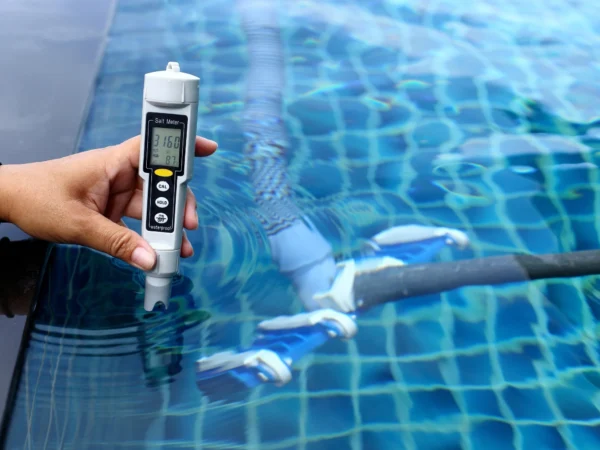
Water testing can help businesses identify their specific concerns and determine whether filtration, softening, disinfection, or another treatment approach is appropriate. Understanding the source of the problem makes it easier to avoid unnecessary expenses and select equipment that actually serves a purpose.
Why Sanitization Matters in Commercial Settings
In commercial environments, water quality management goes beyond taste and appearance. Certain applications require careful attention to microbial risks, particularly where water is stored, distributed, or used in processes involving food preparation and sanitation.
Commercial water sanitization involves methods intended to control microorganisms in water systems when needed. Depending on the application, treatment may involve chlorine-based disinfection, ultraviolet technology, or other approved approaches. Each method works differently, and the correct choice depends on water characteristics, system design, regulations, and the intended use.
For example, ultraviolet disinfection uses UV light to inactivate susceptible microorganisms as water passes through a treatment chamber. Chlorine-based methods may provide residual protection within certain distribution systems, but dosage and contact time must be properly managed.
Sanitization should never be treated as a substitute for cleaning water tanks, maintaining plumbing, or addressing the source of contamination. Businesses need an approach that combines appropriate treatment with routine inspection and hygienic practices.
Maintaining Water Quality in Busy Commercial Kitchens
Commercial kitchens have demanding water requirements. Water is used for cooking, beverage preparation, dishwashing, cleaning food-contact surfaces, and operating appliances. During busy periods, equipment may run almost continuously, leaving little room for unexpected performance issues.
Mineral deposits can affect coffee machines, steam equipment, dishwashers, and heating components. Chlorine or other substances may influence the taste of beverages, while sediment can interfere with water flow and certain appliance parts.
Installing commercial kitchen filtration can help address these concerns when the filtration technology is selected according to water quality and equipment requirements. Sediment filtration may capture suspended particles, while activated carbon can reduce chlorine and improve taste or odor in suitable applications. Specialized filters may be needed for particular equipment or water conditions.
The important thing is to choose filtration that matches the kitchen’s daily workload. A small café serving a few dozen customers has different water demands from a large hotel kitchen preparing hundreds of meals.
When Professional Treatment Services Make Sense
Some businesses have water quality concerns that cannot be resolved with a simple filter. High mineral content, iron, unusual chemical characteristics, or complicated system requirements may call for a more detailed assessment.
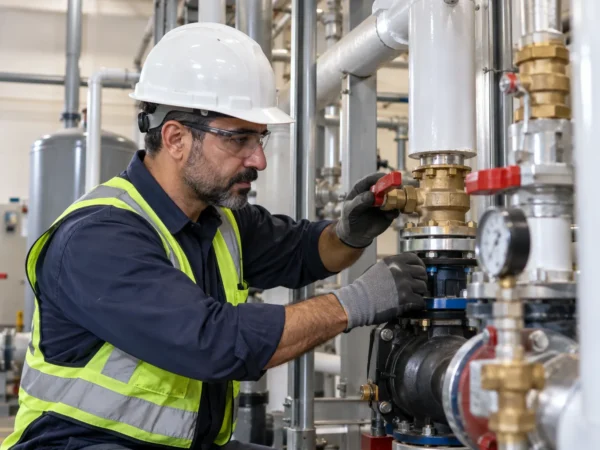
Professional industrial water treatment services can help businesses evaluate their water supply, identify treatment requirements, and design solutions for their specific operations. Depending on the facility, treatment may include filtration, softening, reverse osmosis, disinfection, or multiple stages working together.
Professional assessment is especially useful for businesses with boilers, cooling equipment, production machinery, or large water-consumption requirements. These systems often need carefully managed water conditions to maintain dependable performance.
It’s also important to consider operating costs. Equipment pricing is only part of the investment. Filter replacements, electricity, water usage, chemicals, routine inspections, and service requirements should all be included when comparing treatment options.
Maintenance Is What Keeps a System Working
Even the best water treatment system needs attention. Filters have limited capacity, UV lamps require replacement, softeners need servicing, and disinfection equipment should be inspected regularly. When maintenance is delayed, water quality and system performance may become less reliable.
Businesses can simplify the process by keeping a maintenance schedule, recording service dates, monitoring water pressure, and following manufacturer recommendations. Employees should also know who is responsible for checking the equipment and reporting unusual changes.
Making Water Management a Long-Term Priority
Reliable water quality supports smoother operations, better equipment care, and more consistent everyday results. It may not be the most visible part of running a business, but it certainly matters.
Start with water testing, understand the actual requirements of your facility, and select treatment technologies that solve specific problems. With thoughtful planning and regular maintenance, commercial water management can become a dependable part of business operations rather than another issue waiting to surface.