Water quality can vary more than many homeowners realize. Two neighborhoods only a short drive apart may experience different levels of hardness, mineral content, sediment, or other water concerns. Even within the same community, plumbing age, water source, and local infrastructure can influence what comes out of the tap.
For that reason, choosing a water treatment company is not simply about finding a business with attractive equipment. It’s about finding a provider that understands local water conditions, offers suitable solutions, and can provide support when you need it. A company may have excellent products, but if technicians cannot reach your property easily or don’t understand the area’s common water problems, the experience can become frustrating.
Before scheduling an appointment, it helps to understand what to look for in a provider, how local service works, and which treatment options may suit your home.
Why Local Water Knowledge Matters
Water treatment is rarely a one-size-fits-all service. The most suitable system depends on the water source, the contaminants or minerals present, household usage, and the results of professional testing.
A local provider is often more familiar with recurring water concerns in the communities it serves. For example, some areas may commonly experience hard water, while others may deal with iron staining, sulfur odors, sediment, or specific well-water challenges. This local familiarity can make it easier to identify likely problems, although testing should still be used to confirm the actual condition of your water.
When researching a company, review its service area carefully. A provider that regularly works in your community may understand local plumbing layouts, common installation requirements, and the types of systems frequently used in nearby homes. It may also be able to respond more quickly when maintenance or repairs are needed.
Water Challenges Commonly Found in Central Florida
Homeowners throughout central florida may encounter water quality concerns related to mineral content, groundwater conditions, plumbing infrastructure, or treatment processes. Hard water is one of the most common complaints. It can leave white scale on shower doors, faucets, and appliances, while also making soap and shampoo more difficult to rinse away.
Iron and manganese can create orange, brown, or black staining. In some cases, sulfur compounds may cause an unpleasant rotten-egg smell. Sediment can affect water clarity and may collect in faucet aerators, filters, or plumbing fixtures.
Not every concern is visible, though. Certain contaminants cannot be detected through taste, smell, or appearance. This is why a water test is an important starting point, especially for homes using private wells.
A water treatment professional should explain what the test measures and whether additional laboratory testing is necessary. The purpose is to understand the issue clearly before selecting equipment.
Exploring Water Treatment Options
Once the water has been tested, the next step is choosing a treatment method that matches the results. Several types of systems are available, but each serves a different purpose.
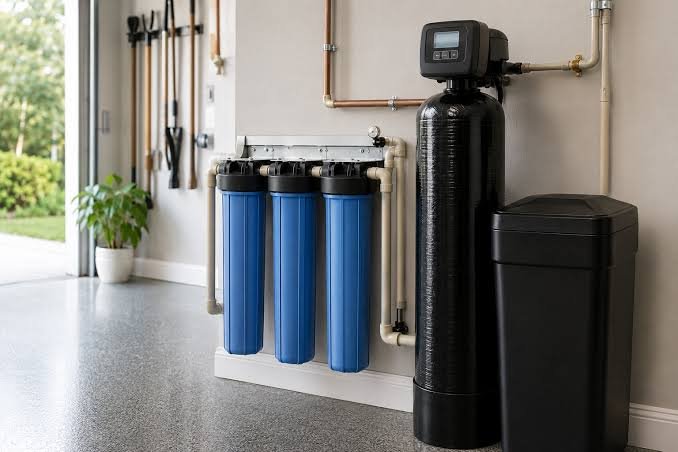
Water softeners are commonly used to reduce hardness minerals such as calcium and magnesium. Filtration systems may target sediment, chlorine, odors, or selected contaminants, depending on the filter media. Reverse osmosis systems are often installed under a kitchen sink or at a dedicated drinking-water faucet to provide more focused treatment.
Ultraviolet purification may be considered for certain microbial concerns, particularly in private well applications. Specialized filtration may also be appropriate for iron, sulfur, or other water quality issues.
It’s important not to assume that one system can solve every problem. A softener, for example, is designed primarily for hardness reduction. It is not automatically a complete solution for bacteria, chemicals, or every unpleasant odor. A reputable provider should explain which technologies are necessary and which may be unnecessary.
Why Water Softeners Remain Popular
For households dealing with hard water, water softeners can make a noticeable difference in daily routines. Hard water minerals can form scale inside water heaters, dishwashers, washing machines, showerheads, and plumbing fixtures. Over time, this buildup may affect efficiency and increase the need for cleaning or repairs.
A water softener generally works through ion exchange, replacing hardness minerals with sodium or potassium ions, depending on the system and setup. The equipment typically regenerates periodically, which means it may require salt, water, and routine maintenance.
The benefits can include softer-feeling laundry, better soap performance, fewer mineral deposits, and reduced scale buildup. Still, homeowners should ask about salt consumption, regeneration frequency, water usage, and ongoing operating costs before purchasing.
Some households may prefer salt-free conditioning systems, but these products work differently and should not automatically be treated as equivalent to traditional softeners. The right choice depends on the water chemistry and the homeowner’s priorities.
What to Ask a Local Provider
A professional consultation should feel informative, not rushed. Before agreeing to a system, ask the company to explain the water problem in straightforward language. You should know what the equipment is designed to remove, what it cannot remove, and how the recommendation is connected to your test results.
It’s also useful to ask:
- Is water testing included in the consultation?
- What type of maintenance does the system require?
- How often will filters, salt, or treatment media need replacement?
- Does the installation require drainage, electricity, or additional plumbing?
- What is covered under the warranty?
- Are service visits available after installation?
- Are replacement parts easy to obtain?
- What are the estimated long-term operating costs?
These questions can help you compare providers based on more than the initial price.
Installation and After-Sales Support
A water treatment system is connected to your home’s plumbing, so installation quality matters. Poorly installed equipment may leak, reduce water pressure, or fail to perform as expected. Professional technicians should inspect the installation location, confirm water pressure, secure connections, and configure the system according to manufacturer instructions.
The provider should also explain how to operate the equipment and recognize basic warning signs. Clear instructions are particularly important for systems that require regular filter changes, salt replenishment, or scheduled cleaning.
After-sales support is another important consideration. Even reliable equipment may eventually need service. A local company that offers maintenance plans, troubleshooting, and repair support can make ownership much easier.
Before signing a contract, confirm whether installation, setup, follow-up testing, and future service are included or billed separately.
Making a Confident, Practical Choice
Choosing a water treatment provider is ultimately about finding a balance between water quality, budget, convenience, and long-term reliability. A local company may offer valuable knowledge of area-specific concerns, but it should still rely on testing and explain its recommendations clearly.
Avoid selecting a system solely because it is expensive, heavily advertised, or popular with someone else. Your home may have different water conditions and different needs.
Start by identifying the problems you’ve noticed, arrange appropriate testing, and compare solutions that address those findings. Consider maintenance requirements and service availability just as carefully as the equipment itself.
With the right provider and a properly selected system, improving your water quality can become a practical investment rather than an ongoing source of frustration. The goal is simple: water that works better for your home, supported by professionals who understand what your property needs and remain available long after installation is complete.