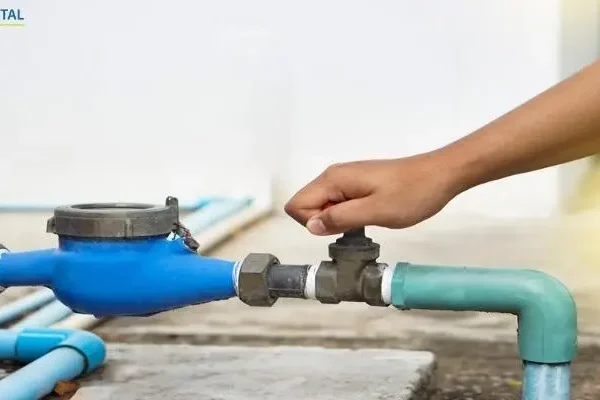
Water plays a bigger role in our daily comfort than we sometimes notice. It’s there when we make morning tea, wash vegetables, take a shower after a long day, or run the washing machine. Yet when water starts leaving stains, affecting the taste of food, or creating problems around the house, we quickly realize how much its quality matters.
Every home has slightly different water conditions. Some households deal with excessive minerals, while others notice chlorine-like smells, sediment, or unpleasant tastes. Fortunately, modern water treatment technology offers practical ways to address these problems without making everyday routines complicated.
The first step is understanding what’s happening with your water and choosing a solution that actually addresses it.
Why Water Quality Affects More Than Drinking
Water quality isn’t just about whether the water coming from your kitchen tap looks clear. Dissolved minerals, chemical residues, suspended particles, and other substances can influence how water tastes, feels, and performs throughout the home.
Hard water, for example, may leave white marks on shower glass, reduce soap efficiency, and create deposits around faucets. Water containing certain chemicals may have an unpleasant odor, making drinking or cooking less enjoyable. Over time, these issues can also affect household appliances and plumbing fixtures.
Rather than guessing, a water test can provide a clearer picture. It helps homeowners understand which treatment options are worth considering and which ones may simply be unnecessary expenses.
The Importance of Activated Carbon Filtration
Taste and odor are among the most common reasons people start looking into water filtration. Even when municipal water meets safety requirements, chlorine used during disinfection can leave a noticeable taste that some people dislike.
<AsyncImageGroup query=”activated carbon water filter cartridge filtration system residential kitchen clean water” layout=”carousel” aspectRatio=”16:9″/>
activated carbon water filtration is widely used to improve water quality by reducing certain chemicals, chlorine, and compounds responsible for unpleasant tastes and odors. Carbon filters work through adsorption, a process in which contaminants attach to the surface of the carbon material as water passes through it.
These filters are commonly installed in kitchen drinking water systems, refrigerator filters, countertop units, and larger filtration setups. For many households, the improvement in taste alone makes filtered water more enjoyable and encourages people to drink water regularly.
However, carbon filtration doesn’t remove every contaminant. Its performance depends on the carbon type, filter design, water flow, and contact time. Some filters are specifically certified for reducing particular substances, so checking their specifications is important before purchasing.
Regular cartridge replacement is equally essential. A filter that’s overdue for maintenance may lose effectiveness, even if the water still tastes reasonably good.
Managing Hard Water and Mineral Deposits
Hard water is a familiar problem in many homes, especially in areas where groundwater contains elevated levels of calcium and magnesium. The effects are often easy to spot. Showerheads become clogged, bathroom fittings develop dull white deposits, and soap doesn’t seem to rinse away quite as easily.
<AsyncImageGroup query=”residential water softener system plumbing installation garage utility room” layout=”carousel” aspectRatio=”16:9″/>
Installing water softener systems can help address these concerns. Conventional salt-based softeners use ion exchange to replace hardness minerals, mainly calcium and magnesium, with sodium or potassium ions. This process reduces water hardness and can help prevent scale buildup in plumbing, water heaters, and other appliances.
Many homeowners notice that cleaning becomes easier, soap lathers better, and laundry feels less stiff. Water heaters and appliances may also benefit from reduced mineral deposits, although performance depends on the water conditions and correct system sizing.
Choosing a softener isn’t simply about buying the biggest unit available. Household size, daily water usage, incoming hardness levels, regeneration settings, and available installation space all matter. Maintenance requirements and salt consumption should also be considered before making a long-term decision.
Treating Water Throughout the Entire House
Sometimes the concern isn’t limited to a single drinking faucet. Homeowners may want better water quality in showers, bathrooms, laundry areas, and kitchen taps at the same time.
<AsyncImageGroup query=”whole house water filtration treatment system multiple filter tanks residential plumbing” layout=”carousel” aspectRatio=”16:9″/>
whole house water treatment systems are designed to treat water as it enters the property, allowing the treatment process to serve multiple outlets. Depending on the incoming water quality, a whole-home setup might include sediment filtration, carbon filtration, water softening, or other specialized treatment equipment.
This approach can be useful when sediment affects several fixtures, chlorine odors are noticeable throughout the house, or hard water is causing problems in different rooms. It also reduces the need to install separate filtration devices at every tap.
The configuration matters, though. Not every home needs a multi-stage treatment system, and adding equipment without testing the water may create unnecessary costs. A properly designed system should focus on the actual water concerns rather than simply including more filters.
Finding the Right Combination for Your Home
Water treatment is rarely a one-size-fits-all decision. A household dealing mainly with chlorine taste might need carbon filtration, while another struggling with scale could benefit more from a softener. Homes with several water quality concerns may require a combination of technologies.
Before choosing a system, consider:
- Testing your water to identify specific concerns.
- Comparing certified contaminant reduction claims.
- Evaluating household water consumption and peak flow needs.
- Understanding installation requirements and available space.
- Checking filter replacement schedules and annual maintenance costs.
- Considering the long-term impact on plumbing and appliances.
These details may seem a little tedious, but they’re often what separate a useful investment from an expensive piece of equipment that doesn’t solve the problem.
Small Improvements That Make a Lasting Difference
Better water can improve everyday experiences in ways that are easy to appreciate over time. Cleaner-tasting drinking water, fewer mineral stains, easier cleaning, and dependable performance from household appliances all contribute to a more comfortable home.
The best solution isn’t necessarily the most advanced one. It’s the system that suits your water conditions, works reliably, and remains easy to maintain. With a little research and the right guidance, improving water quality becomes a practical home upgrade rather than another complicated project on the to-do list.