You clean the bathroom on Saturday, and by Tuesday, those stubborn white marks are already back around the faucet. Your freshly washed towels feel rough, the shower door looks cloudy, and somehow, you’re going through more soap than expected.
Sound familiar? Hard water could be behind these everyday frustrations.
Many homeowners researching water softeners in new port richey fl are looking for a lasting solution to mineral buildup, inconvenient cleaning routines, and unnecessary strain on household appliances.
Florida’s limestone geology can contribute to mineral-rich groundwater, although hardness levels vary depending on the water source. Fortunately, dealing with hard water doesn’t have to mean constantly scrubbing surfaces or accepting disappointing laundry results.
Understanding the problem and exploring suitable treatment options can make a noticeable difference throughout your home.
What Makes Water Hard in the First Place?
Hard water contains dissolved minerals, primarily calcium and magnesium. As water moves through soil and rock, it can naturally collect these minerals before entering household supplies.
While hardness itself isn’t generally considered a health hazard, it can create several practical inconveniences.
When water evaporates, dissolved minerals may remain behind, forming those familiar chalky deposits around sinks, faucets, and showerheads.
Heating water can also encourage mineral scale formation inside certain appliances. Over time, buildup may interfere with equipment performance and increase maintenance requirements.
Soap behaves differently in hard water, too. It can react with dissolved minerals, making lathering more difficult and leaving behind unwanted residue.
Individually, these problems might seem insignificant. Together, however, they can make ordinary household responsibilities more demanding than they need to be.
How Water Softeners Address Everyday Problems
Scrubbing mineral deposits with cleaning products might improve appearances temporarily, but it doesn’t address what’s causing them.
Traditional water softening systems use an ion exchange process to reduce calcium and magnesium concentrations before water travels through connected household plumbing.
Inside the equipment, specialized resin beads exchange hardness ions for sodium or potassium ions. The resin eventually requires regeneration to restore its treatment capacity.
With appropriately softened water, homeowners may notice reduced mineral deposits, improved soap lathering, and fewer scale-related maintenance concerns.
The benefits aren’t limited to bathroom cleaning. Water heaters, washing machines, and other connected equipment may also benefit from reduced scale accumulation.
However, softeners aren’t comprehensive purification devices. They generally aren’t intended to remove harmful microorganisms or every type of chemical contaminant.
Understanding this distinction is important when considering your overall water treatment requirements.
Recognizing the Signs That Your Home Needs Hardness Treatment
Sometimes, the evidence is right in front of you. Cloudy drinking glasses, stiff laundry, crusty faucet deposits, and soap residue are common clues that mineral hardness may be affecting your household.
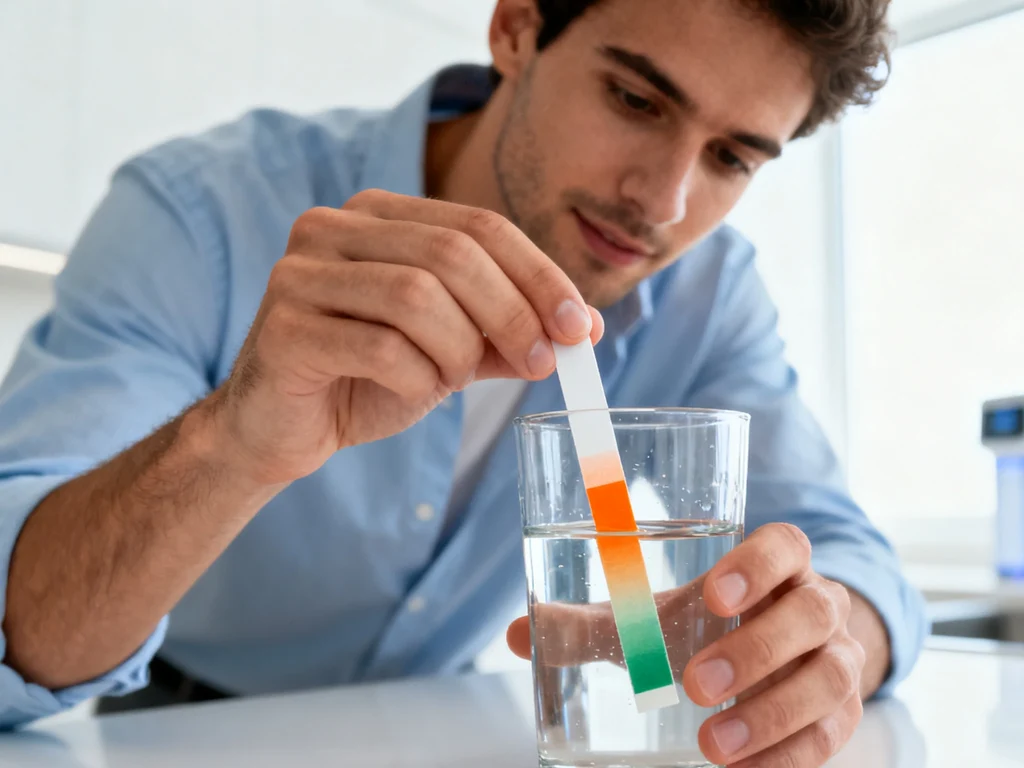
If you’re determined to solve hard water problems at home, begin with appropriate water testing rather than relying exclusively on these visible signs.
A hardness test can help establish mineral concentrations and determine whether softening equipment would offer meaningful benefits.
It’s also worth considering how frequently you’re dealing with related maintenance tasks.
Perhaps your showerhead requires regular descaling, or your kettle develops mineral deposits surprisingly quickly.
These recurring frustrations can help explain why treating the incoming water supply may be more practical than repeatedly addressing individual symptoms.
Choosing Equipment That Suits Your Household
Not every home requires the same type or size of softener.
A busy household with several bathrooms will naturally consume more water than a smaller property occupied by one or two people.
Equipment capacity should reflect incoming hardness levels, daily consumption, and expected peak demand.
An undersized system may require frequent regeneration or struggle to deliver consistent results. Unnecessarily large equipment, on the other hand, can increase purchasing costs without providing additional practical value.
Modern demand-initiated models can regenerate according to water consumption rather than relying entirely on fixed schedules.
When comparing equipment, ask about salt consumption, water efficiency, installation requirements, and ongoing maintenance expenses.
Getting these details right can save considerable frustration after installation.
Is Softened Water the Same as Filtered Water?
This question comes up frequently, and understandably so. Water treatment terminology can become confusing when you’re comparing different products.
Softening primarily addresses dissolved hardness minerals. Filtration, meanwhile, may target suspended particles, certain chemical compounds, or other specific contaminants.
A household experiencing both mineral buildup and unpleasant chlorine tastes might benefit from separate, complementary treatment technologies.
Similarly, homeowners interested in reducing particular dissolved contaminants in drinking water may consider an appropriate reverse osmosis system.
Some people may also prefer an unsoftened or separately treated drinking water supply because conventional softening adds sodium.
The right arrangement depends on testing results, personal preferences, and household requirements.
Keeping Your Water Softener Working Reliably
Once installed, a softener needs regular attention to maintain dependable performance.
Check regeneration supplies periodically, follow manufacturer servicing recommendations, and investigate unexpected changes in water characteristics.
Salt bridging, unsuitable operating settings, or worn components can sometimes interfere with treatment effectiveness.
Periodic hardness testing can help confirm whether the equipment continues performing as expected.
Fortunately, maintenance doesn’t need to dominate your weekend. Establishing a simple routine can help prevent avoidable problems and protect your investment over time.
Enjoying the Comfort of Softer Water
Life in New Port Richey should leave plenty of time for enjoying Florida’s sunshine, not endlessly scrubbing mineral deposits from bathroom fixtures.
A properly selected softener can help reduce everyday frustrations, simplify cleaning, and offer practical benefits throughout your household.
Start with reliable testing, choose equipment that suits your actual needs, and maintain it consistently.
Sometimes, the most worthwhile home improvements aren’t particularly glamorous. They’re the ones that quietly make everyday life easier, from washing your favorite towels to stepping into a freshly cleaned shower.
And fewer stubborn water spots certainly wouldn’t hurt.